Rainy Season
JANUARY – APRIL
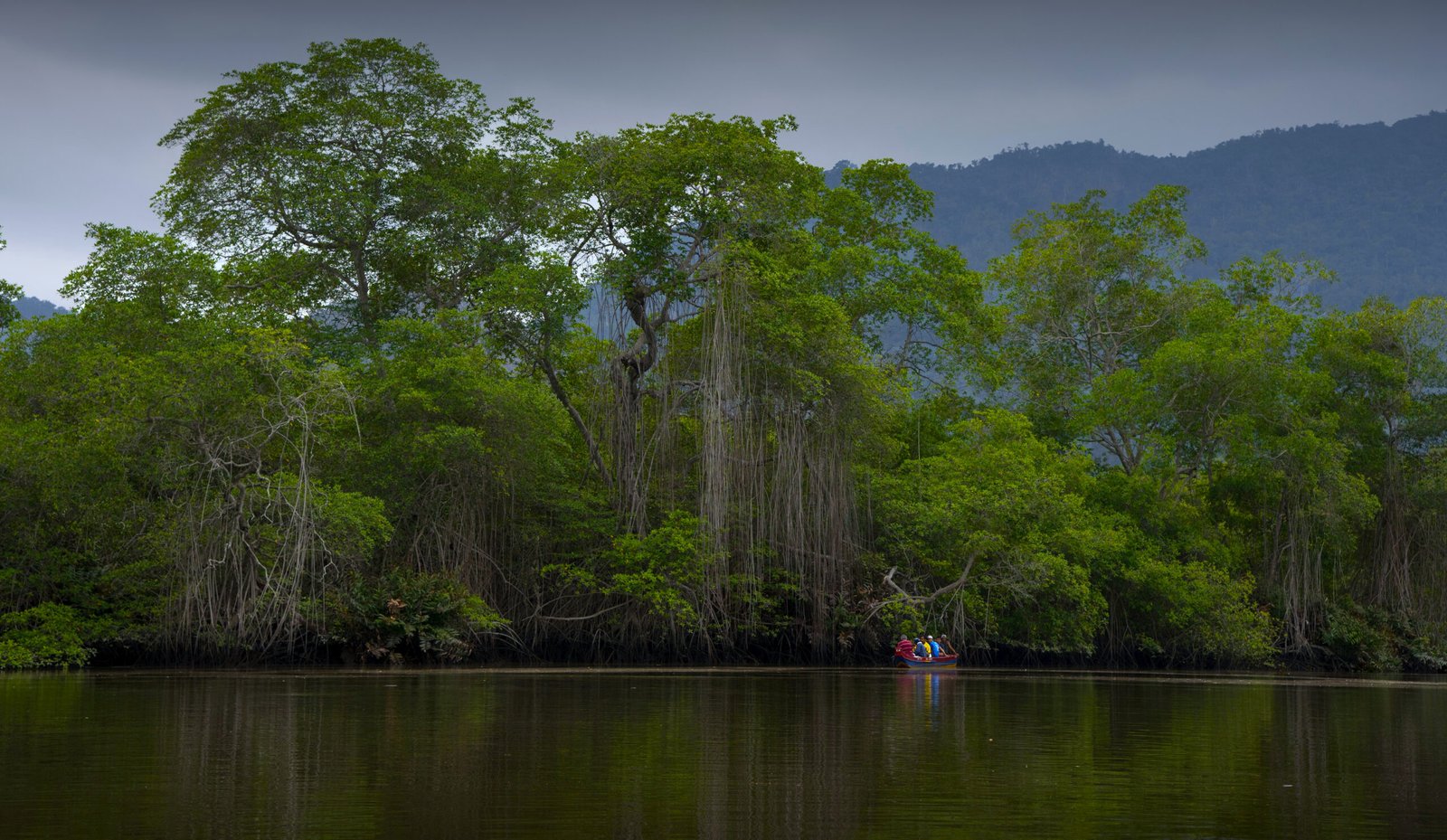
- Tropical vibe and lush green landscapes.
- Ideal for travelers who love authentic heat.

Discover the best things to do in Guayaquil in 2026. A gateway to the Galápagos Islands, explore food, culture, and local experiences in this complete travel guide.
Words & Photos: Trail Forth Journal.
To experience the best that Guayaquil has to offer, you need more than just a list of things to do — you need a route that takes into account safety, the climate and authentic local experiences. This guide encapsulates the essence of Ecuador’s coastal metropolis,
Guayaquil Travel.
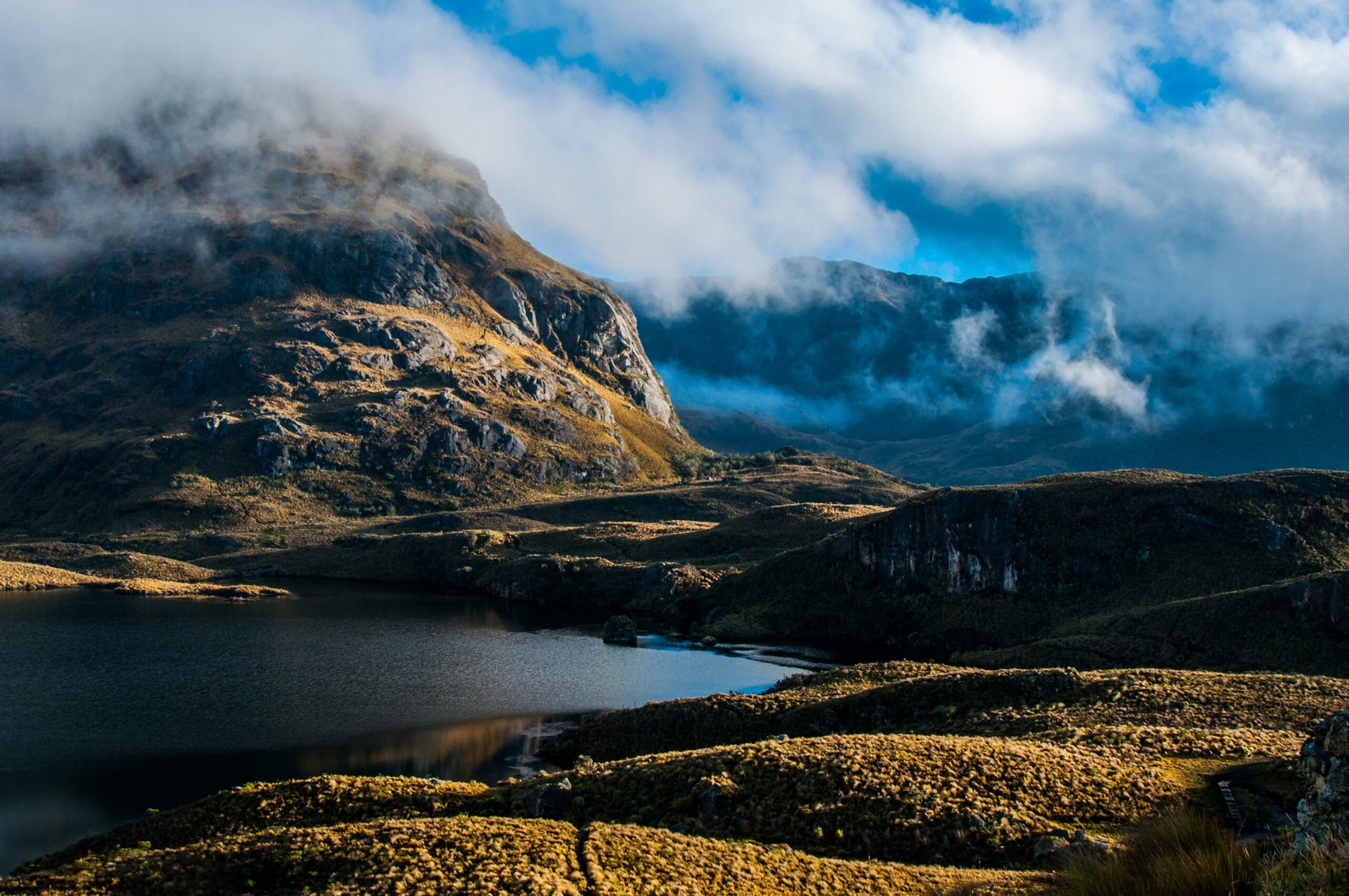
offering everything from scenic walks along the Malecón 2000 and the vibrant Las Peñas district on Cerro Santa Ana, to the rich biodiversity of the Manglares Churute Ecological Reserve. Whether you’re seeking cultural immersion or nature-based day trips to places like the Cacao Route or Cajas National Park, Guayaquil is the ideal starting point for exploring both Ecuador’s coast and highlands. Recognised by the World Travel Awards, it is also the country’s main port and financial hub, as well as the primary gateway to the Galápagos Islands, offering excellent direct flight connections.
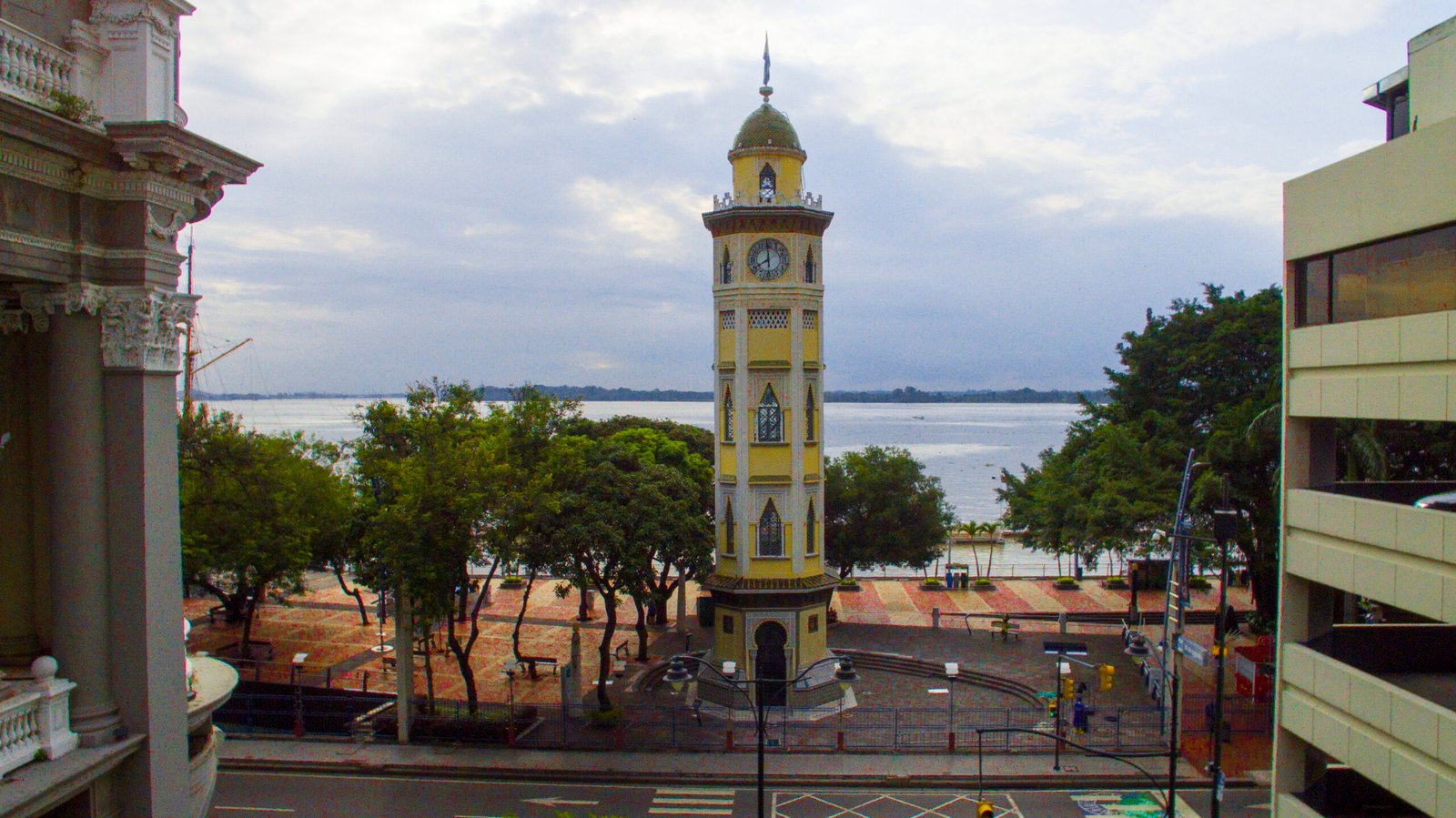
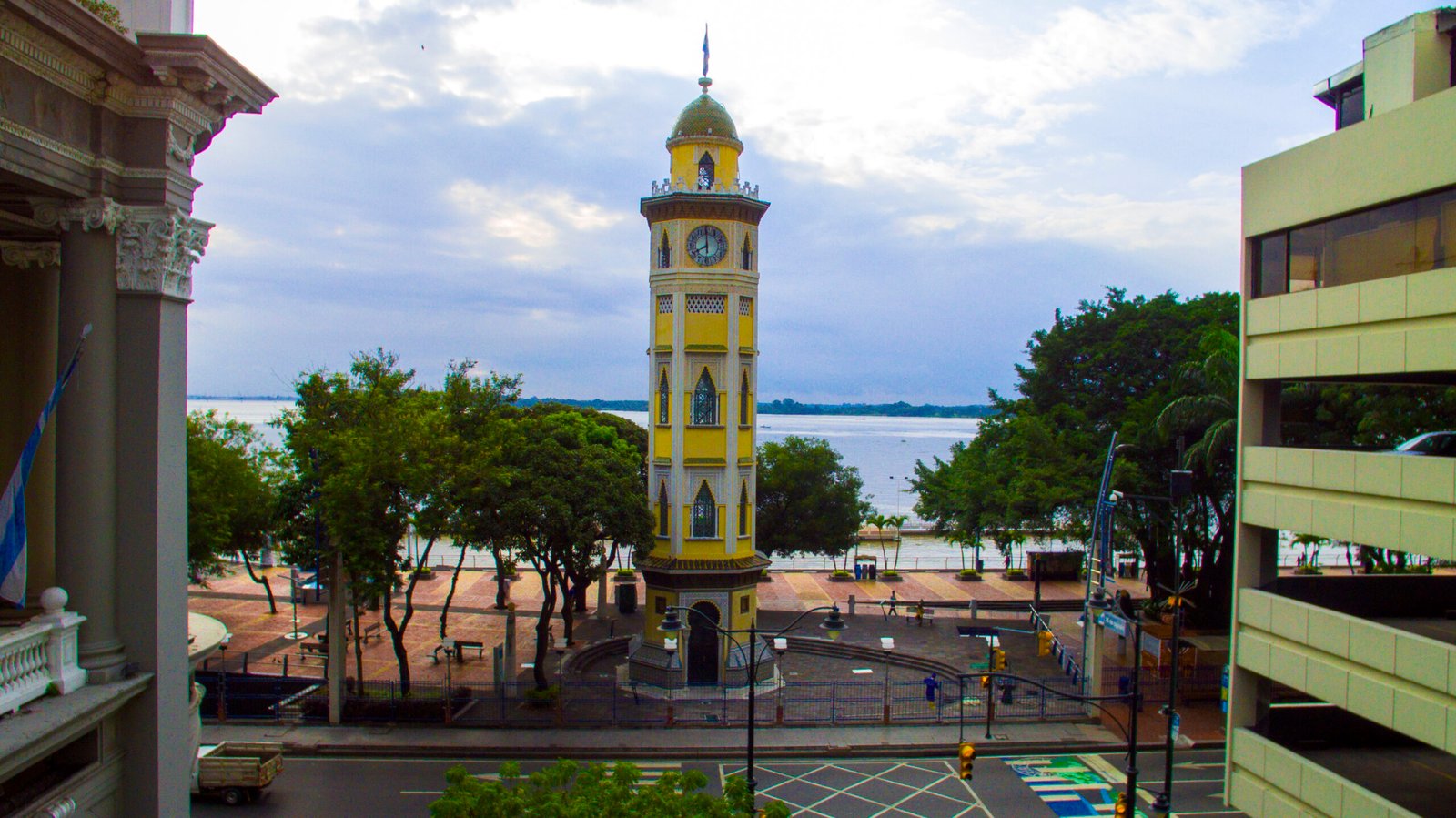
The city’s identity is closely tied to the Guayas River, which has transformed its historic waterfront into a vibrant district filled with museums, cultural landmarks and iconic structures such as the Moorish Clock Tower. This cultural journey continues with the city’s remarkable religious architecture, including the Guayaquil Metropolitan Cathedral, which is a symbol of faith and resilience. As you walk through the city, you will discover layers of history, from colonial roots to republican heritage, offering travellers a visually rich and meaningful experience at every turn.
As Ecuador’s economic powerhouse, Guayaquil has evolved into a vibrant destination offering world-class shopping and dining experiences, as well as a modern lifestyle. The city boasts premier shopping centres, a diverse culinary scene and contemporary entertainment districts that set regional trends. This modern energy, combined with the character of its dynamic port, makes it a place where urban sophistication meets authentic local culture, offering some of the finest experiences in commerce, gastronomy and entertainment along the Pacific coast.
To make the most of your time in Guayaquil, it is important to understand its role as Ecuador’s main travel hub. Strategically located, the city lies at the intersection of the Andes, the Pacific Coast and the Galápagos Islands. Read on for all the information you need, including details of the local climate, how to get there by air or land, and the vibrant festivals that define the city’s character.
Guayaquil has two distinct seasons: the Dry Season (May to December), featuring cooler breezes and pleasant temperatures perfect for walking along the Malecón 2000; and the Rainy Season (January to April), characterized by intense tropical heat and lush, emerald landscapes.
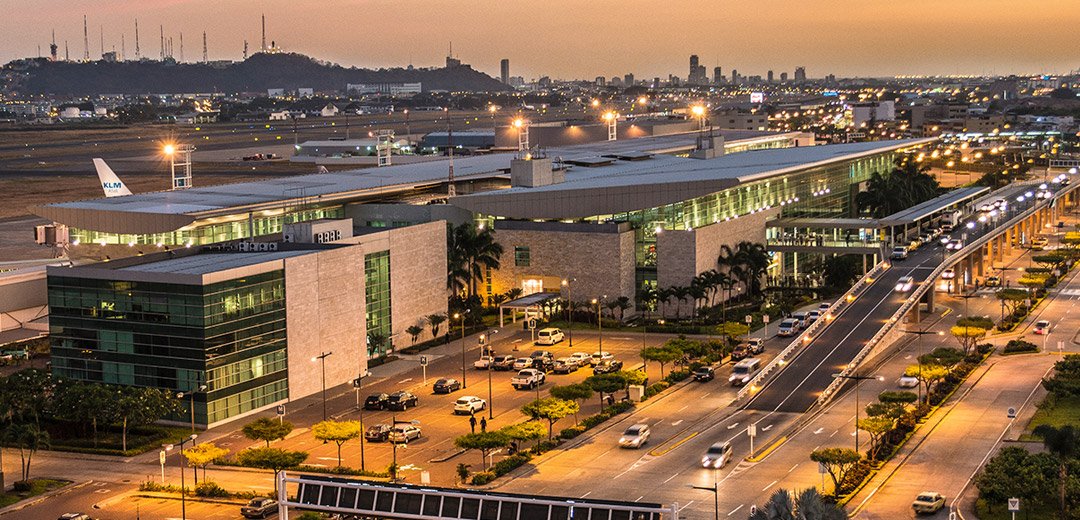
The city is a major hub in South America. José Joaquín de Olmedo International Airport (GYE) is conveniently located just 15 minutes from the main hotel districts. For ground travel from Cuenca or along the Spondylus Route, Guayaquil Bus Terminal is the most modern and efficient transit hub in Ecuador, offering connections to destinations across the country.
JANUARY – APRIL
MAY – DECEMBER
Citywide celebrations with parades and gastronomy.
The city's largest civic event and festive atmosphere.
GYE: Located just 15 minutes from the tourist center.
Main hub with modern connections across Ecuador.
| Destination | Distance | Driving Time |
|---|---|---|
| Salinas | 140 km (87 mi) | 2h 00m |
| Cuenca | 195 km (121 mi) | 3h 30m |
| Montañita | 170 km (105 mi) | 2h 45m |
No matter how long you’re visiting Guayaquil for—whether it’s a few hours, a business trip, a layover, or several days—one of the best ways to discover the city beyond its main landmarks is by joining one of the many tours in Guayaquil available to visitors. Explore the historic streets of Las Peñas and Santa Ana Hill, enjoy panoramic river views, and experience Guayaquil’s culinary traditions through heritage and dining experiences. Visitors can also take advantage of private tours designed around their interests and schedule. Travelers with limited time can comfortably explore the city between flights with specialized layover experiences, while fully customizable private tours offer the flexibility to discover Guayaquil at their own pace with bilingual local guides and convenient hotel or airport pickup.
No matter how much time you have—there's a Guayaquil experience designed for you.
Make the most of your free time at the airport, hotel, or between flights with a private Guayaquil experience. Enjoy transportation, a bilingual guide, and seamless transfers tailored to your travel plans.
Are you short on time but looking for something authentic? Discover the history of Guayaquil's most iconic neighborhood while enjoying a curated three-course dining experience that celebrates the flavors of Ecuador.
Take a walk through Las Peñas, Santa Ana Hill, and Malecón 2000. Then, enjoy panoramic views of the city from the river or cable car as you discover the stories that shaped Guayaquil.
The most comfortable and personalized way to experience Guayaquil, with a private vehicle, expert guide, and flexible itinerary.
Not sure which tour is right for you?
Tell us how much time you have in Guayaquil and we'll recommend the best experience for your schedule.
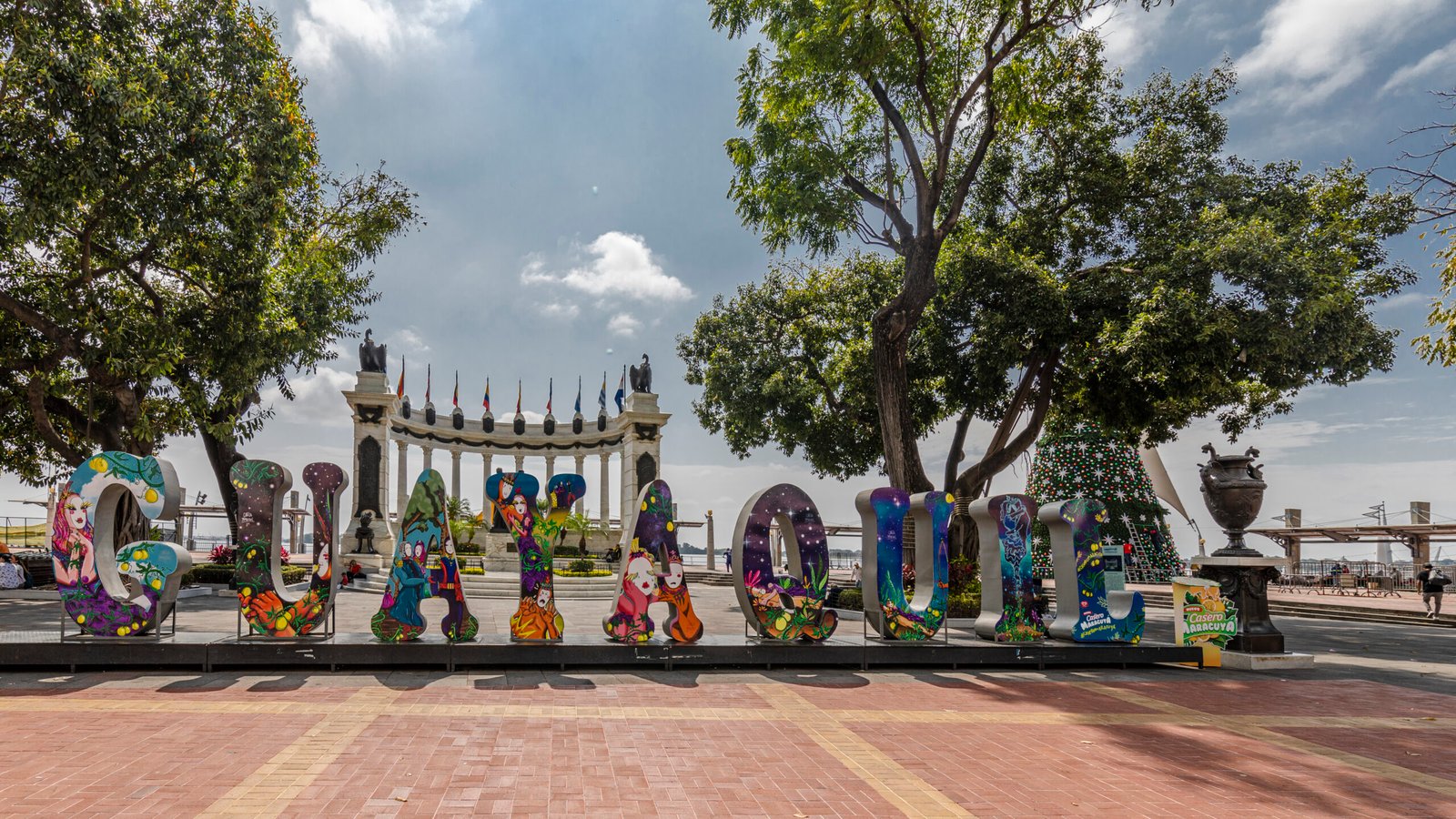
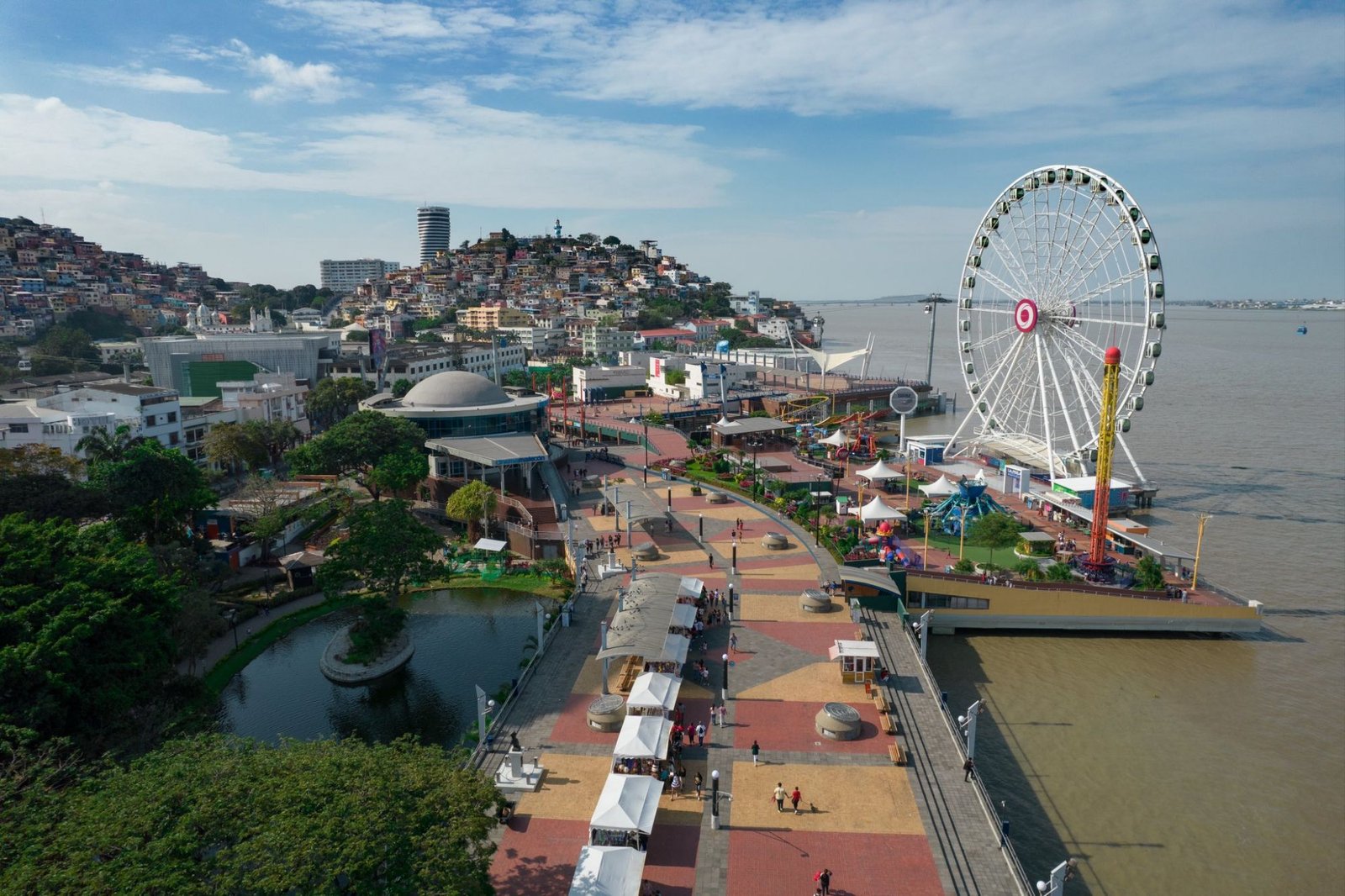
To truly grasp the identity of the ‘Pearl of the Pacific,’ it is essential to explore the city’s riverfront. The 1.5-mile Malecón 2000 route along the Guayas River seamlessly integrates museums, shopping centres, and the iconic La Rotonda monument. In contrast, the Malecón del Salado exudes a more bohemian and relaxed atmosphere. Connected to the Linear Park and the Monumental Dancing Water Fountain, it is an ideal spot to savour local gastronomy and the cool estuary breeze at sunset.
The city's largest boardwalk. It connects Las Peñas with Puerto Santa Ana. Features the MAAC museum, the Moorish Clock Tower, and La Rotonda monument.
A cultural hub featuring "La Bota" theater and Rodolfo Baquerizo Plaza. The perfect spot for a scenic boat ride through the estuary.
Explore the historic heart of Guayaquil. Walk through colonial streets and climb to Santa Ana hill for panoramic views.
Avant-garde architecture and world-class gastronomy in the most cosmopolitan district of the city.
1.5 miles of parks, monuments, and shopping centers along the shores of the majestic Guayas River.
The iconic Public Clock, an architectural gem blending Moorish and Byzantine styles.
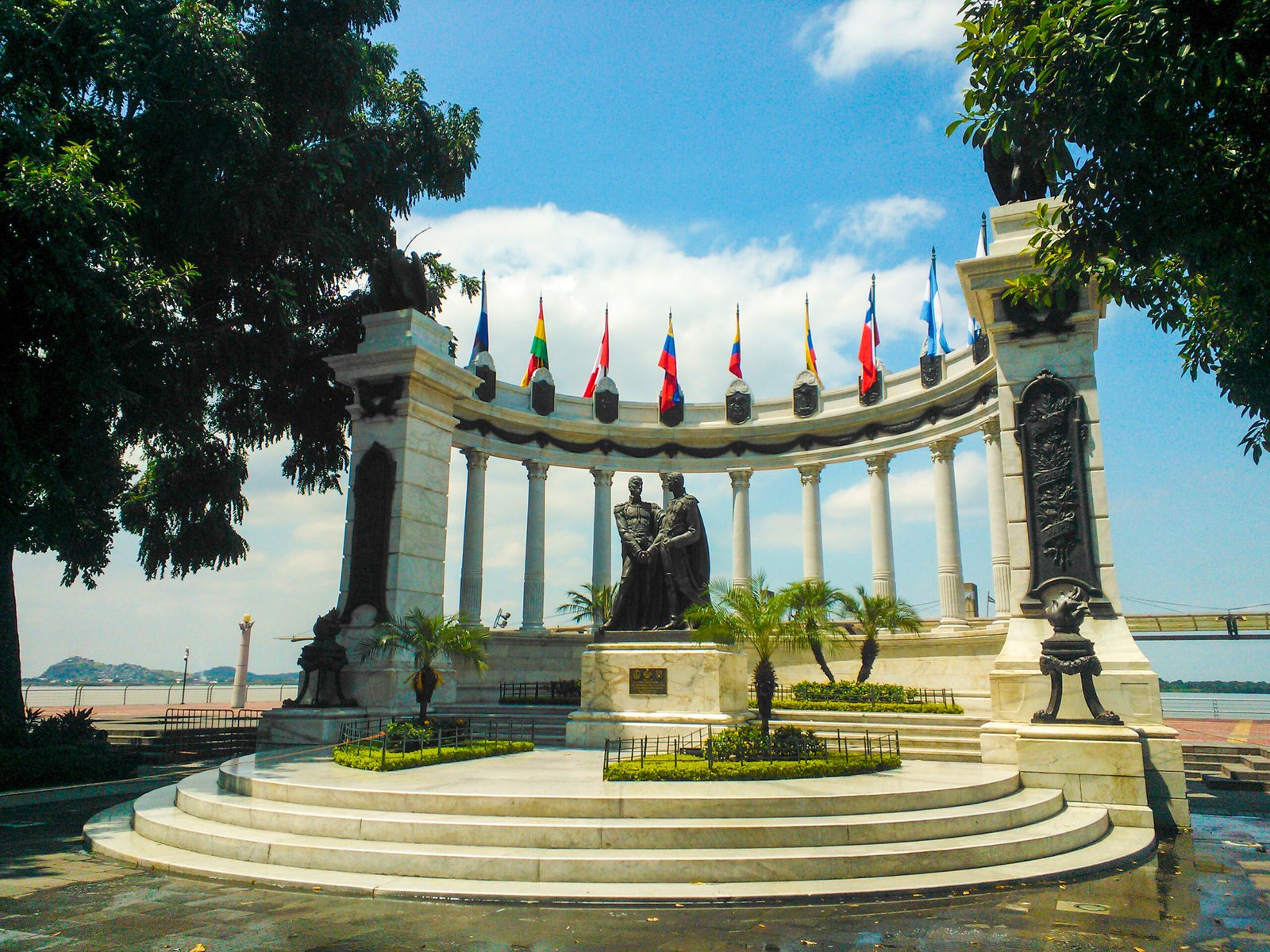
A historical monument commemorating the famous meeting between Bolivar and San Martin.
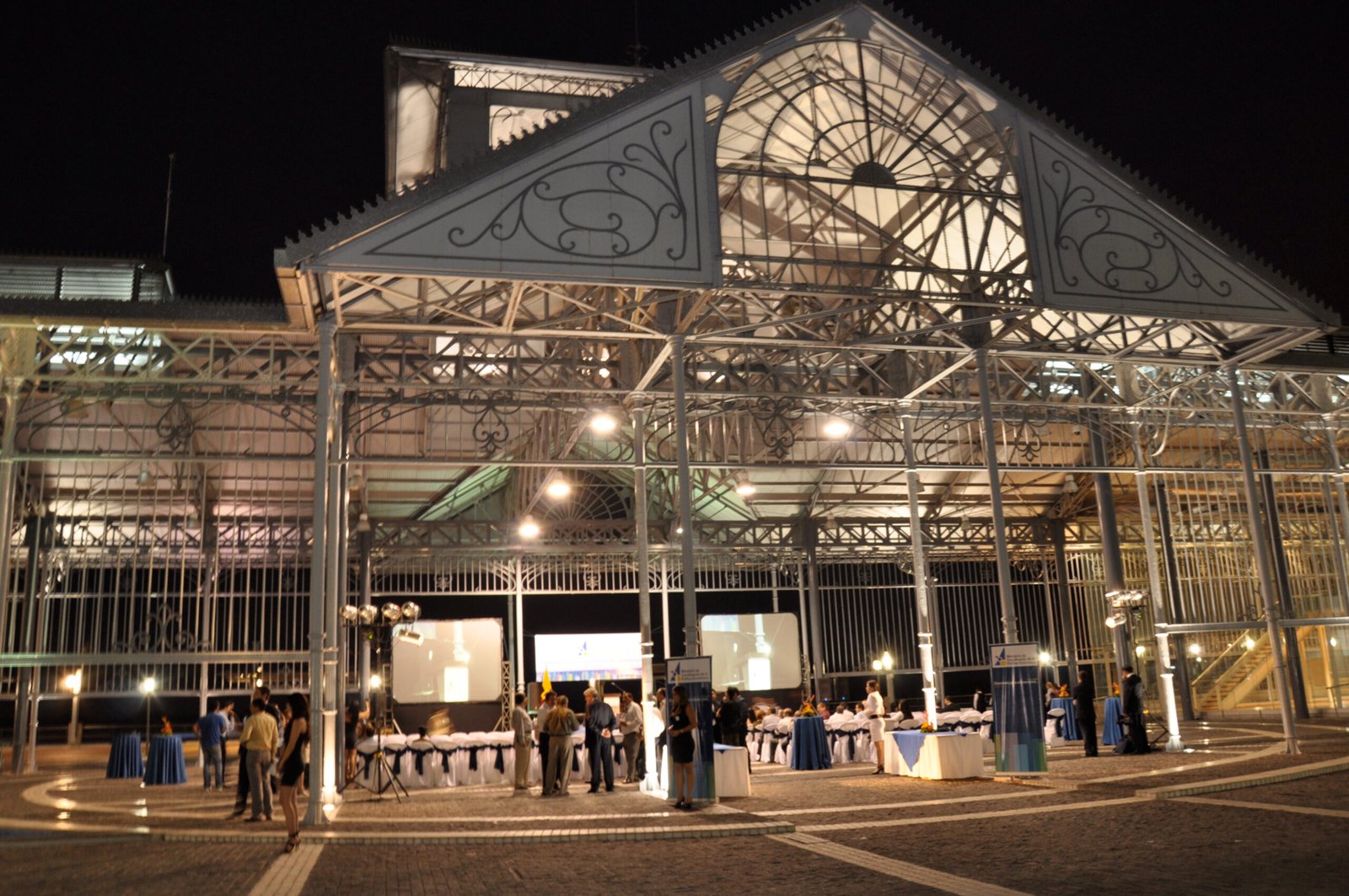
Originally designed in the Eiffel workshops, today it serves as a vibrant glass-and-iron cultural center.
Exploring Guayaquil’s network of museums reveals the resilient character of the ‘Pearl of the Pacific’. The city offers a fascinating journey through its past and present, from the colonial origins at the Municipal Museum and the sacred art at the Nahím Isaías, to the avant-garde MAAC overlooking the river. This cultural circuit is complemented by the vibrant Theatre District, where you can learn about Guayaquil’s epic history — from its era as the ‘City of Wood’ to its current modernity.
Explore fundamental milestones from the pre-Hispanic era to the Republican reconstruction.
An impressive collection of colonial art and archaeology facing the Administration Plaza.
The most avant-garde cultural center on Malecon 2000 with stunning Guayas River views.
A cultural map through iconic stages that tell the history of show business in Guayaquil.
Epic tales of Great Fires, reconstructions, and the resilient spirit of Ecuador's main port.
Greater Guayaquil is Ecuador’s commercial powerhouse, offering a shopping experience that blends modernity and exclusivity seamlessly. The retail landscape ranges from Mall del Sol, conveniently located near the airport, to upscale destinations like Alhambra Shopping Centre and Plaza Lagos, famed for their sophisticated architecture. For international brands, San Marino and Riocentro are essential stops, while the Artisanal Market remains the premier landmark for authentic local treasures.
The city offers over 20 strategically located shopping centers, providing a seamless blend of retail, entertainment, and comfort for every visitor.
The city's first modern mall was Policentro (1978), inaugurated by former President Jaime Roldós.
The most photogenic hotspot in the city. Man-made canals, palm trees, and upscale dining.
European-inspired architecture hosting the most exclusive international brands.
The city's most complete mall, strategically located right next to the airport.
Spacious retail areas and one of the most modern cinemas in the northwestern district.
A modern meeting point in the Alborada district, perfect for shopping and leisure.
Italian-style open-air space for gourmet dining and a relaxed shopping experience.
The pioneer (1978). A cozy, traditional atmosphere located in the New Kennedy sector.
Located across from Seminario Park. Ideal for banking and shopping in the heart of the city.
The city’s historic centre is home to an invaluable religious heritage, recounting centuries of faith and resilience. The journey begins at the Metropolitan Cathedral of Guayaquil, famed for its Neo-Gothic architecture, and continues towards San Francisco Church, one of the city’s oldest and most iconic landmarks. Essential stops include Santo Domingo Church at the foot of Santa Ana Hill and La Merced Church, where Baroque altars and colonial chronicles are safeguarded.
"These immense constructions draw attention with their Gothic designs, masterpieces, and stained glass windows; as well as the legends and acts of faith surrounding their community, making them an essential tourist attraction for locals and visitors alike."
Neogothic marvel in the heart of downtown. Originally built in 1547 next to the City Hall, it remains the soul of the historic center.
Visit details →Located on Víctor Manuel Rendón St., this 1927 temple stands out for its Neo-Gothic-Byzantine inspiration and its rich artistic interior.
Known as "Our Lady of the Angels," it was rebuilt after several fires, honoring its 1920 design with enduring materials.
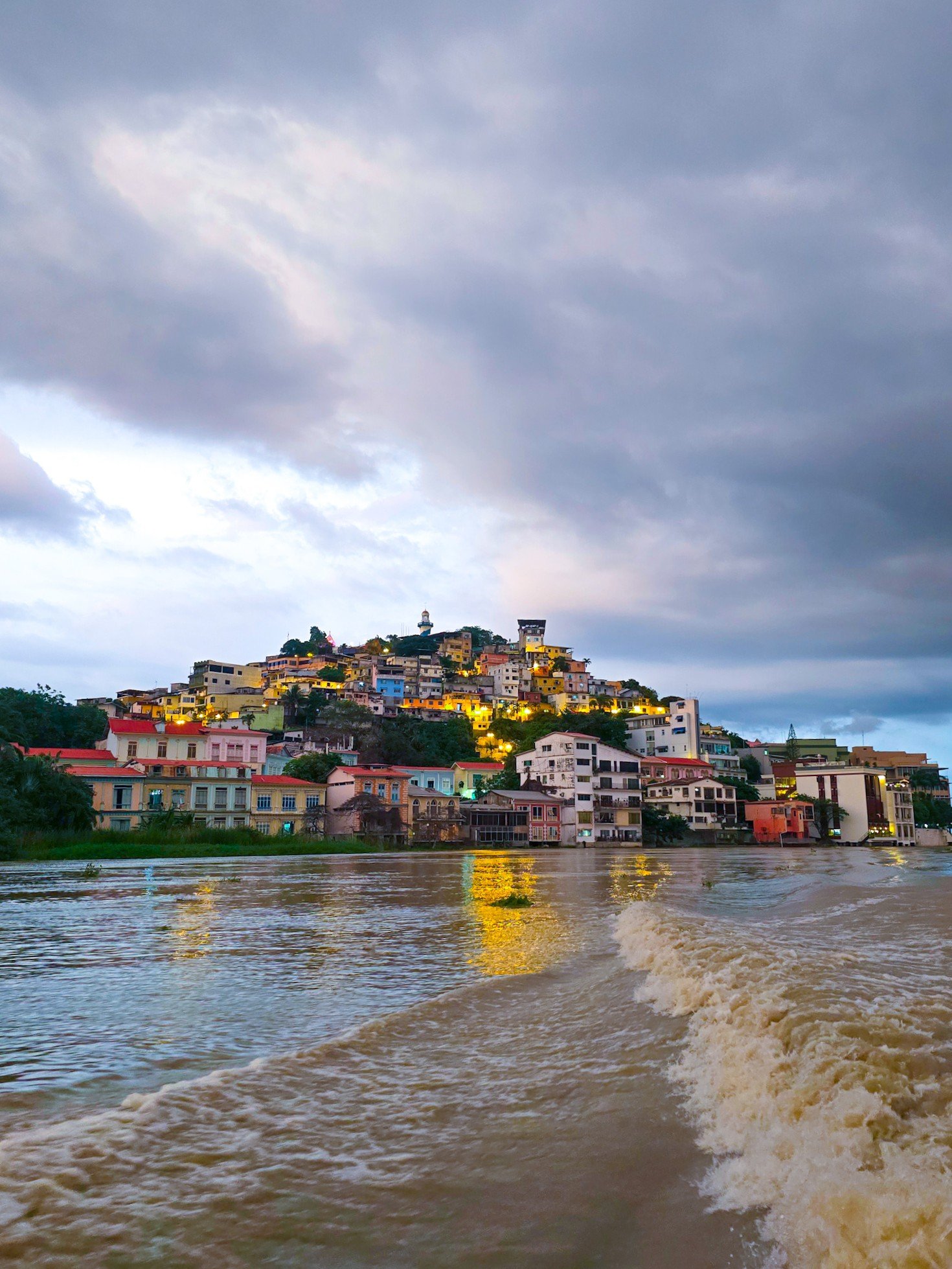
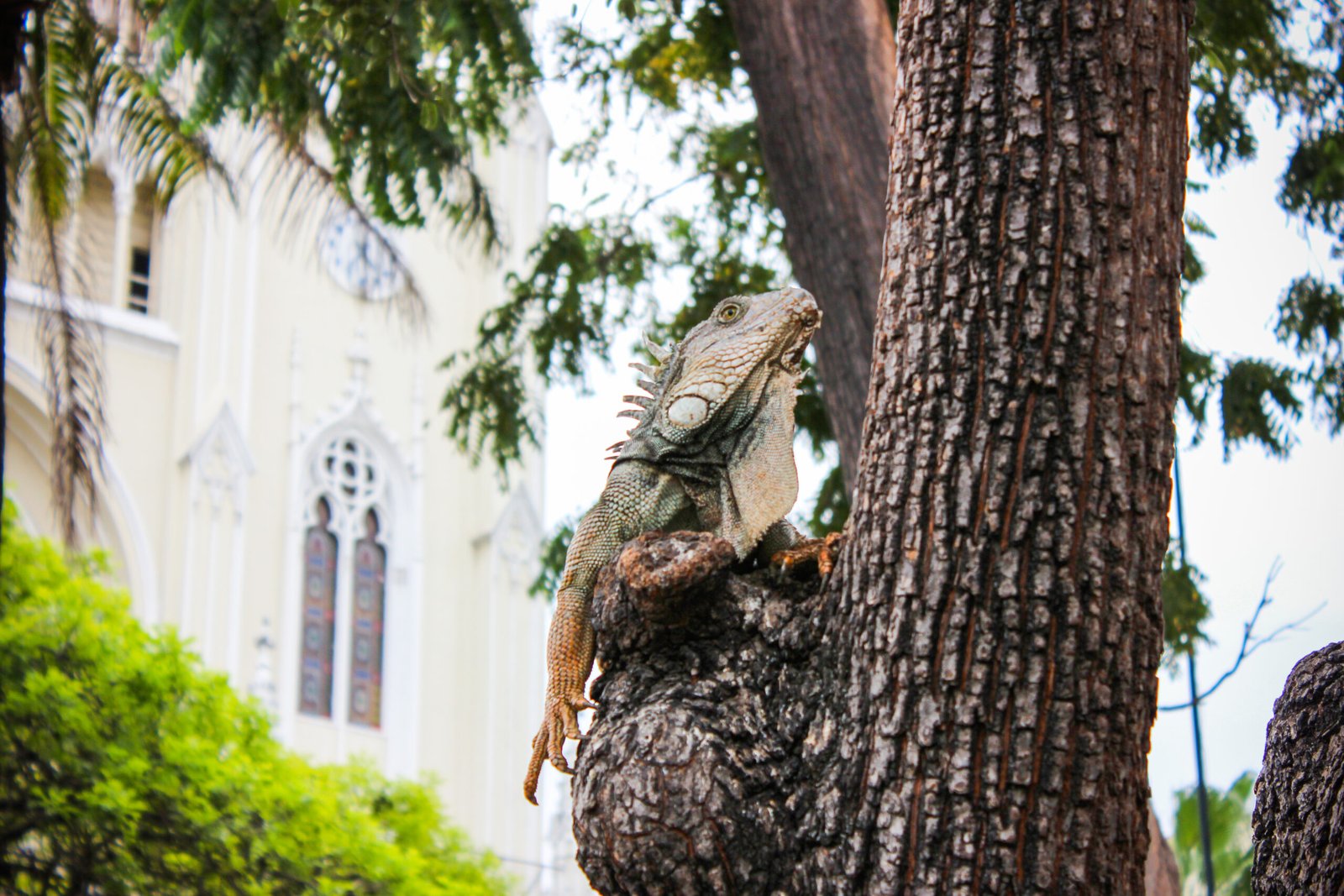
The best way to experience Guayaquil’s heritage is on foot, wandering through its oldest neighbourhoods and past its most impressive monuments. The journey through the historic centre begins in Barrio Las Peñas, the city’s birthplace, where cobblestone streets lead up Santa Ana Hill, with its 444 steps. The City Hall (Palacio Municipal), with its Neoclassical architecture, stands out in the institutional heart of the city, while Seminario Park — famously known as ‘Iguana Park’ — offers a unique encounter with urban nature. These iconic landmarks represent centuries of history and resilience, and are essential stops for anyone looking to truly understand the identity of the ‘Pearl of the Pacific’.
Exploring Guayaquil is a journey through 500 years of history. From the Malecon 2000 to the Rotonda Monument, every corner celebrates the vibrant spirit of the Pearl of the Pacific.
"From the City Hall to the Las Peñas neighborhood, a former refuge for iconic figures such as Che Guevara and Pablo Neruda."
Colorful houses and cobblestone streets offering an authentic glimpse into the city's colonial and artistic past.
Full GuideClimb the 444 steps to the iconic lighthouse for a rewarding 360° panoramic view over the Guayas River.
Plan Your ClimbNeoclassical architecture where independence was forged on October 9th, 1820. An absolute cultural pillar.
Explore HistoryWidely known as Iguana Park, the most curious meeting point between wildlife and the urban heart of the city.
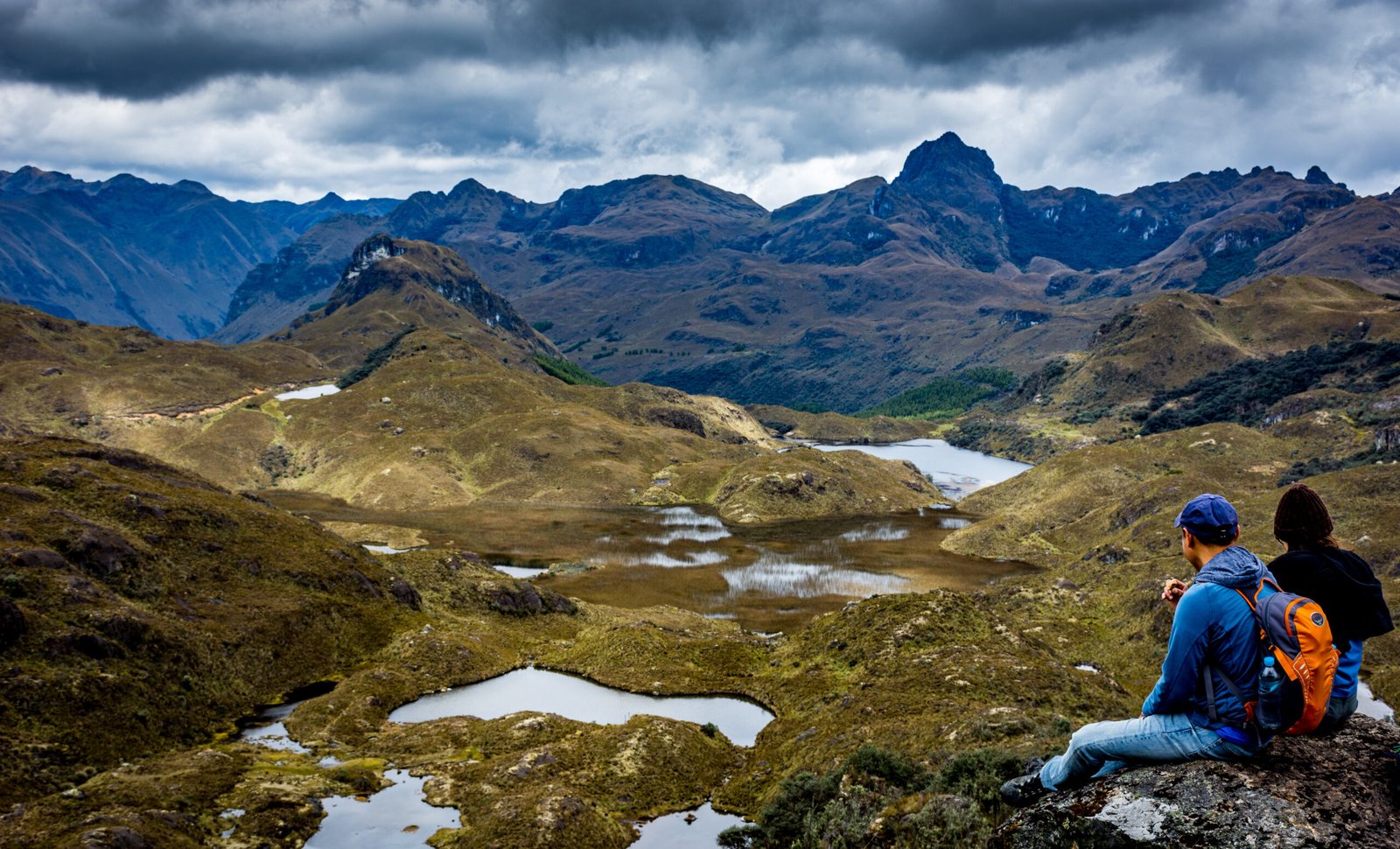
Visitor's GuideCuenca, often considered one of Ecuador’s most beautiful cities, captivates visitors with the Historic Centre of Cuenca, its well-preserved historic center, along with its colonial architecture, vibrant plazas, and rich cultural heritage. Stroll through the cobblestone streets, admire landmarks such as the New Cathedral, and explore local museums and artisan markets to discover why the city is a UNESCO World Heritage Site. Those interested in guided tours in Cuenca can explore the city’s historic attractions, cultural landmarks, and nearby destinations with local experts. Beyond the urban landscape, the surrounding countryside boasts charming villages, traditional craft workshops, and scenic viewpoints. Just a short drive away, El Cajas National Park offers visitors a dramatically different side of the Andes, featuring high-altitude lakes, cloud forests, unique wildlife, and some of Ecuador’s most spectacular hiking trails.
The Galápagos Islands, one of the world’s most extraordinary wildlife destinations, can be easily reached from Guayaquil, Ecuador’s largest city and the country’s main gateway to the archipelago. Daily flights connect Guayaquil with the islands, making it easy to combine a visit to mainland Ecuador with a Galápagos adventure. Whether you’re interested in wildlife encounters, island-hopping experiences, snorkeling excursions, hiking volcanic landscapes, or guided nature tours, the Galápagos offer unforgettable opportunities to observe giant tortoises, marine iguanas, blue-footed boobies, sea lions, and many other endemic species in their natural habitat. Visitors can choose from a variety of Galápagos tours and activities that showcase the unique ecosystems, breathtaking scenery, and remarkable biodiversity that inspired Charles Darwin’s theory of evolution.
In 2026, Guayaquil will establish itself as Ecuador’s ultimate events and productivity hub, offering an unrivalled calendar that combines mass entertainment with high-level networking opportunities. If you’re looking for things to do in Guayaquil today, our curated agenda offers a vibrant mix, including international concerts at Arena Park and the Modelo Stadium featuring artists such as Alejandro Sanz and Carlos Vives, as well as leading regional congresses and trade fairs at Expoplaza, including Raíces and the World Banana Summit. The city guarantees a premier cultural and business offering across the Main Port’s most iconic venues, from grand gala nights to specialised corporate events.
Events & things to do guide 2026
Find out what to do in Guayaquil this week and in the months ahead: concerts, cultural events, museum exhibitions, theater, fairs, conferences and family activities. This is Trail Forth Journal's Guayaquil events guide, updated with the programming of venues like the National Cacao Museum, the MAAC, the Municipal Museum, the Sánchez Aguilar Theater and Expoplaza.
Sorted by date. Filter by period or category to find your next plan.
📍 Museo de la Música Popular Julio Jaramillo
UARTES Live is the space where music students from Ecuador's University of the Arts present their latest sound projects. This edition, titled New Voices of the Sound Avant-Garde, brings together experimental work from the new generation of Guayaquil musicians. The concert takes place at the Julio Jaramillo Popular Music Museum, the city's tribute to the icon of Ecuadorian "pasillo" music. It's a great pick for anyone following Guayaquil's emerging music scene and looking to discover new talent early, with free admission and an intimate format.
📍 Museo Municipal de Guayaquil
"Art That Unites Us" is the free concert series through which the Municipal Museum brings symphonic music to audiences of all ages. This date features the Guayaquil Youth Symphony Orchestra, made up of young musicians in training, with a program designed for listeners experiencing this kind of music for the first time. It's a great way to spend a Thursday evening in the historic downtown, with no admission cost, inside one of the city's heritage buildings.
📍 Museo Municipal de Guayaquil
"El tigre" is a play designed for young audiences, with two morning performances in the Municipal Museum's performing arts hall. It's part of the free cultural programming the museum runs throughout August, aimed at school groups, families and children. A good pick for a short weekday outing, with a runtime suited to young kids and timing that works well around school or vacation schedules.
📍 Estadio Alberto Spencer
Colombian star Sebastián Yatra brings a large-scale Latin pop show to Estadio Alberto Spencer, part of the international concert lineup that has made Guayaquil a regular stop on major tours. The setlist mixes his biggest hits with the stadium-level production his recent shows are known for. It's one of the most anticipated concerts of August in the city, with numbered and general-admission sections on sale through Ticketshow.
📍 Museo Nacional del Cacao
Part two of the family workshop "Creatures of the Tropics," where kids and adults create masks inspired by the Ecuadorian coast's wildlife, guided by the National Cacao Museum's education team. The activity is part of the museum's ongoing series on nature and local identity, in a space that blends the history of cacao with hands-on creative projects for the whole family. No need to have attended part one to join in.
📍 Museo Nacional del Cacao
"Urban Instant: Geometry, Light and Memory on Panamá Street" is a street photography workshop led by the National Cacao Museum, set along one of the most photogenic stretches of downtown Guayaquil. Participants walk Panamá street learning to read its architecture, light and people through the lens. Aimed at both DSLR enthusiasts and phone photographers, it's a different way to get to know the city's architectural heritage.
📍 Museo Municipal de Guayaquil
As part of the 12th edition of the Guayaquil International Film Festival, the Municipal Museum screens a selection of short films with free admission. The festival, which opened in mid-August at the Centro Cultural Olmedo, extends its program to other cultural venues across the city throughout the month. A good entry point into independent Ecuadorian and international film for anyone who doesn't usually follow the festival circuit.
📍 Teatro Sánchez Aguilar
Catalan performer Pep Bou turns soap bubbles into a wordless visual spectacle, with three performances at Teatro Sánchez Aguilar. "Bullé a Bullé" blends physics, light and stage poetry in a show that works across ages: kids see the bubbles as pure magic, while adults appreciate the technical skill behind every shape. It's one of the most talked-about family shows on the theater's August calendar.
📍 MAAC — Museum of Anthropology and Contemporary Art
REINAS is a comedy play starring four women who confront their fears, memories and dreams with humor and honesty. Produced by Alvo Bureau, the play runs for a full week of performances at the MAAC. Worth double-checking the exact entrance point before attending: the museum's main building is still undergoing renovation work, so much of its cultural programming currently takes place in outdoor spaces and other halls within the complex.
📍 Museo Municipal de Guayaquil
Acting students from Ecuador's University of the Arts stage Bertolt Brecht's classic on identity, war and circumstance, with three days of performances at the Municipal Museum. It's a chance to see emerging Ecuadorian theater with free admission, part of the ongoing collaboration between UARTES and Guayaquil's cultural venues to showcase student work for a general audience.
📍 Museo de la Música Popular Julio Jaramillo
An intimate conversation around the memory of Guayaquil's popular music, held in the multipurpose hall of the museum dedicated to Julio Jaramillo. The talk invites reflection on how popular songs end up becoming collective life stories. Free admission, aimed at anyone interested in the city's cultural history more than a live music show.
📍 Museo Nacional del Cacao
"El Ecuador que Produce" is a new exhibition from the National Cacao Museum dedicated to the productive sectors that drive the country's economy, told from the perspective of a museum that already frames cacao as a driver of national development. The opening is free and open to the public. The exhibition will remain on view for the following weeks, making it a good option too for anyone who'd rather visit at a quieter moment later in the month.
📍 Museo Municipal de Guayaquil
Another edition of the "Art That Unites Us" series, this time with the Youth Symphony Band in a Saturday morning performance. A short, free plan to kick off the weekend with the family, no advance booking needed. The Municipal Museum opens its performing arts hall for this kind of educational concert, aimed at longtime classical music fans and first-timers alike.
📍 Plaza del Artista, Panamá street
Bboys and bgirls from across the country gather at the Plaza del Artista for a full day of outdoor breakdance battles. El Dojo de Fuego is free to attend and turns one of the liveliest stretches of Panamá street into an open-air dance floor for the whole Sunday. A fun, unconventional alternative for anyone looking for something different from the city's usual cultural circuit.
📍 Museo de la Música Popular Julio Jaramillo
An afternoon dedicated to traditional Ecuadorian popular music, told through the voice and stories of Hugo Idrovo, part of the museum's ongoing series of talks and musical sessions. La Hora Lila mixes anecdotes, local history and live music in a small-hall format, ideal for fans of pasillo, pasacalle and other traditional coastal Ecuadorian genres.
📍 Museo Municipal de Guayaquil
A tribute to the figures who have trained generations of dancers in Guayaquil, with performances from several of the city's companies and dance schools. The tribute closes out August's dance programming at the Municipal Museum, with free admission and a short gala format aimed at general audiences, not just those already following the local dance scene.
📍 Museo Nacional del Cacao
A new exhibition from the National Cacao Museum exploring the ancestral roots of the Ecuadorian coast, closing out the museum's August exhibition program. The opening is free and features contemporary artists working around memory and identity. A good reason to revisit the museum beyond its usual historical tour.
📍 Expoplaza Guayaquil
Habitat is Guayaquil's go-to real estate fair, bringing together the country's leading developers and construction companies under one roof at Expoplaza. It's the meeting point for anyone buying their first home, looking to invest, or simply curious about design trends and pricing in Ecuador's current real estate market.
📍 Coliseo Voltaire
A full night of 80s and 90s merengue at Coliseo Voltaire, built for non-stop dancing from the very first song. Merengue Fest 90s brings together several bands dedicated to the genre, and the dance floor usually fills up fast. Great for anyone who grew up on this music, and for groups of friends looking for a dance-first night out rather than a seated concert.
📍 Expoplaza Guayaquil
Guayaquil's International Book Fair brings together publishers, national and international authors, and readers of all ages over several days, with book presentations, talks and parallel kids' activities. It's one of the biggest cultural draws of the second half of the year in the city, and a low-cost family outing built for spending hours browsing stalls.
📍 Expoplaza Guayaquil
Horeca Fest is the meeting point for Ecuador's hotel, restaurant and bar industry, with suppliers, equipment, ingredients and the latest trends in the food-service world. While it's primarily aimed at industry professionals, it's also worth a look for curious foodies who want a preview of where Guayaquil's restaurant scene is heading.
📍 Teatro Centro de Arte
A living legend of Latin American ballads takes the stage in a full theater format, with the classic repertoire fans expect and the staging that has defined his recent tours. The concert is aimed at an adult audience who grew up on his music, in a hall built for good sound rather than a stadium-scale show.
📍 Expoplaza Guayaquil
The conference that brings together Ecuador's entire banana value chain, from growers to exporters, with technical talks and a parallel trade fair. Ecuador is one of the world's largest banana exporters, and this Expoplaza event has become the sector's main space for discussion and business networking.
📍 Estadio Modelo
Storytelling lyrics and a stadium crowd that knows every word — that's the usual formula for Arjona's Guayaquil shows, and this November date is no exception. The set mixes decades-spanning classics with newer material, in a big-production format designed to close out the city's international concert season on a high note.
📍 Estadio Modelo
Vallenato with a rock 'n' roll soul to dance the year out: Carlos Vives takes the Estadio Modelo stage with a setlist that blends his timeless hits with more recent collaborations. Usually one of the highest-energy, most dance-heavy shows of the whole concert season — a great pick for a big group outing.
No events match this filter right now. Try "All" or check another category.
It varies by weekend, but there are usually options across three fronts: concerts or theater at venues like Teatro Sánchez Aguilar or Estadio Modelo, free activities at museums like the National Cacao Museum or the Municipal Museum, and themed fairs at Expoplaza. Use the "This week" and category filters on this page to see the current lineup.
Guayaquil's event lineup changes daily. This calendar brings together concerts, theater, museum exhibitions, fairs and conferences sorted by date, so you can quickly check what's happening in the city today and in the days ahead.
The city's main cultural venues are the National Cacao Museum, the MAAC (Museum of Anthropology and Contemporary Art), the Municipal Museum, the Julio Jaramillo Popular Music Museum, and Teatro Sánchez Aguilar. Most of their activities — workshops, talks, exhibitions and theater performances — are free to attend.
Beyond checking the events calendar, the best plan is to pair a walk along the Malecón 2000 and Cerro Santa Ana with a free cultural event on the same day. At the bottom of this page you'll find guided tours, transfers and experiences designed to round out your visit.
Visiting Guayaquil? Between events, here's how the rest of the city is best discovered.

While Quito is Ecuador's Andean capital, Guayaquil is a tropical river-port city defined by its waterfront promenade, modern skyline, and status as the country's commercial hub. It offers a warmer climate and a more contemporary, riverside pace than the colonial highlands.
Guayaquil has a tropical climate with average temperatures between 24°C and 31°C (75–88°F) all year. Humidity is high year-round, with the heaviest rain concentrated between January and April.
The Metrovía bus rapid transit system connects most of the city affordably, while registered taxis and rideshare apps are the most convenient option for tourists moving between the historic centre, Puerto Santa Ana, and outlying neighbourhoods.
Beyond the Malecón and Las Peñas, Urdesa offers a lively restaurant and nightlife scene, while Samborondón, just across the river, is known for upscale dining, malls, and residential architecture worth a quick visit.
A local-style day often starts with breakfast near Parque Seminario, a walk along the Malecón 2000 toward Las Peñas, lunch at a traditional market for Encebollado, and an evening at Puerto Santa Ana to watch the sunset over the river.
“Trail Forth Journal is an independent editorial project dedicated to documenting maps, places, routes, and experiences across Ecuador, seen through a local lens.”
If this guide helped you plan your trip, feel free to write to me with any questions about your visit. You can also support the project.
Tell me about your dates, accommodation, or transportation questions so I can help you plan better.
This support is voluntary. It helps sustain this independent publishing project.
“Your voluntary support helps us continue documenting and sharing places across Ecuador from a local perspective.”
Contributions are voluntary. They are also non-refundable. These contributions help support the documentation work of Trail Forth Journal.