Las Peñas: Guayaquil’s Historic District & The 444 Stairs

Las Peñas

Barrio Las Peñas is Guayaquil's first residential neighbourhood and the heart of the city we know today.

Words & Photos: Trail Forth Journal.

Contents

Las Peñas: A Historic Neighborhood at the Heart of Guayaquil

The traditional Las Peñas neighborhood provides remarkable insight into Guayaquil’s history. Designated a Historic Monument of the City on July 24, 1973, and part of Ecuador’s Architectural Heritage on July 23, 1982, it preserves an important part of Guayaquil’s urban memory.

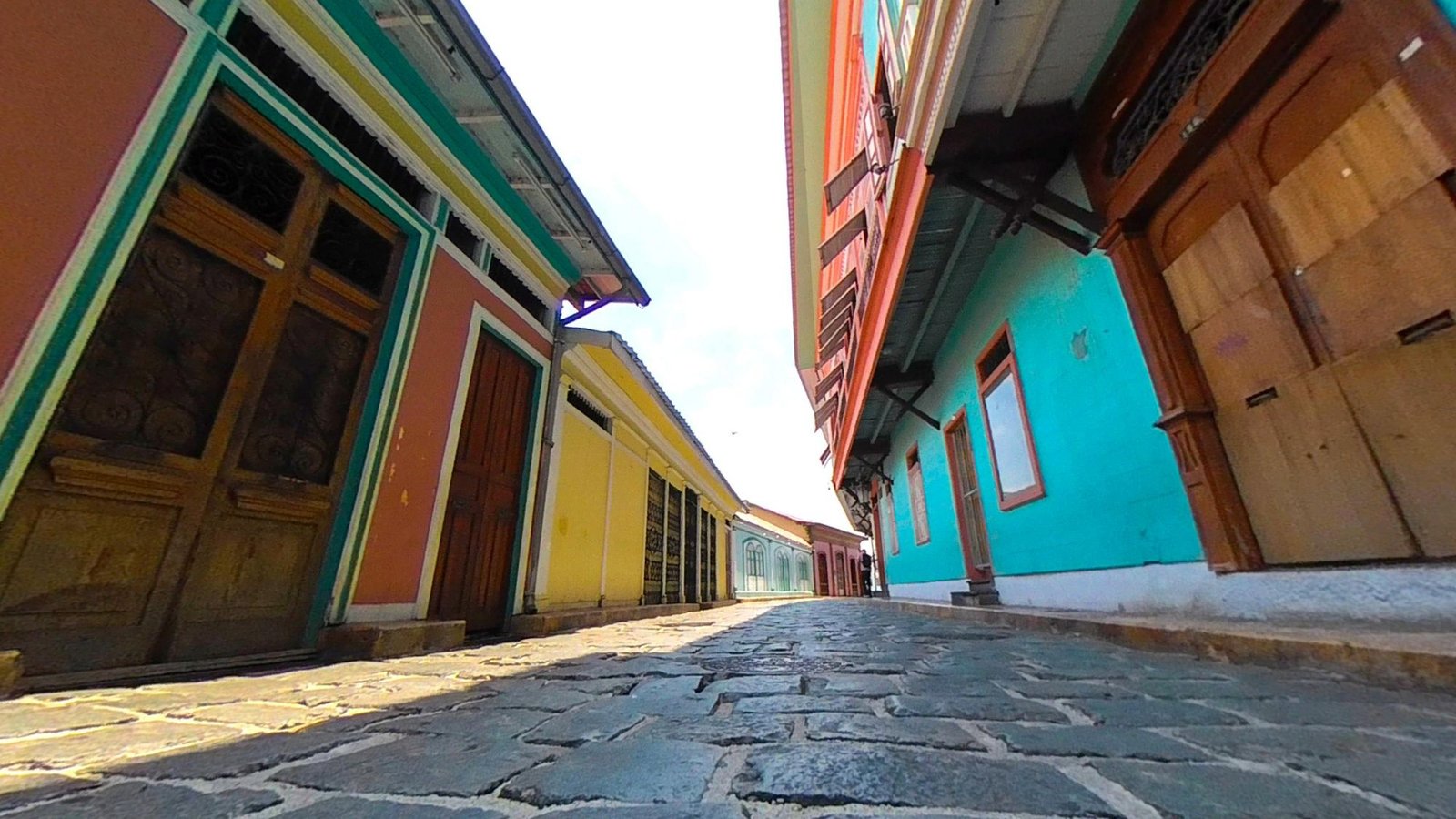
A view of the traditional Las Peñas neighbourhood.

Las Peñas’s significance lies in its historic setting and the architecture that defines its streets. The traditional wooden houses with colorful facades and distinctive urban character make Las Peñas one of Guayaquil’s most recognizable and photographed tourist attractions. Those wishing to discover the city’s past through its architecture and historic spaces will find that exploring Las Peñas is one of the best things to do in Guayaquil. It offers a meaningful connection between heritage, landscape, and urban life.

Jairo Cabrera Ecuador

Jairo Cabrera

Founder · Travel Experience Curator

Discover Ecuador through a local perspective — places, routes, tours, and experiences with more context.

Have a question about Ecuador? I personally read every message.

I usually reply within a day

About Jairo →

Have a question about Ecuador?

Whether you're planning a trip, researching a destination, or simply curious about Ecuador, send me a message and I'll be happy to help.

Notable Figures Who Left Their Mark on Las Peñas

Las Peñas holds a distinctive place in Guayaquil’s history. Traditionally considered one of the city’s earliest residential districts, it was home to families, artists, writers, political figures, and other notable individuals who influenced the cultural and political life of Ecuador.

Several former Ecuadorian presidents were associated with the neighborhood, including Francisco Robles, José Luis Tamayo, Carlos Julio Arosemena Tola, Alfredo Baquerizo Moreno, Eloy Alfaro, and Carlos Alberto Arroyo del Río.

The neighborhood’s cultural history is also connected to figures such as the painter Manuel Rendón Seminario and the writers Juan Montalvo, Numa Pompilio Llona, and Enrique Gil Gilbert. Over the years, Las Peñas has also welcomed distinguished international visitors, including Nobel laureates Pablo Neruda and Gabriela Mistral, as well as Ernest Hemingway.

One of the most intriguing stories associated with Las Peñas is that of Ernesto “Che” Guevara, who lived in one of its houses for several weeks in 1953. The area is also associated with educator Rita Lecumberri and Antonio Neumane, the composer of Ecuador’s national anthem.

Beyond these celebrated figures, Las Peñas is particularly compelling because its houses and streets provide a tangible connection to different chapters in Guayaquil’s history, all within a relatively compact urban setting.

Las Peñas and the Guayas River

The neighborhood’s relationship with the river is an integral part of its identity. Due to its location, Las Peñas can be seen from various parts of Guayaquil, including from across the Guayas River in Durán and on Santay Island.

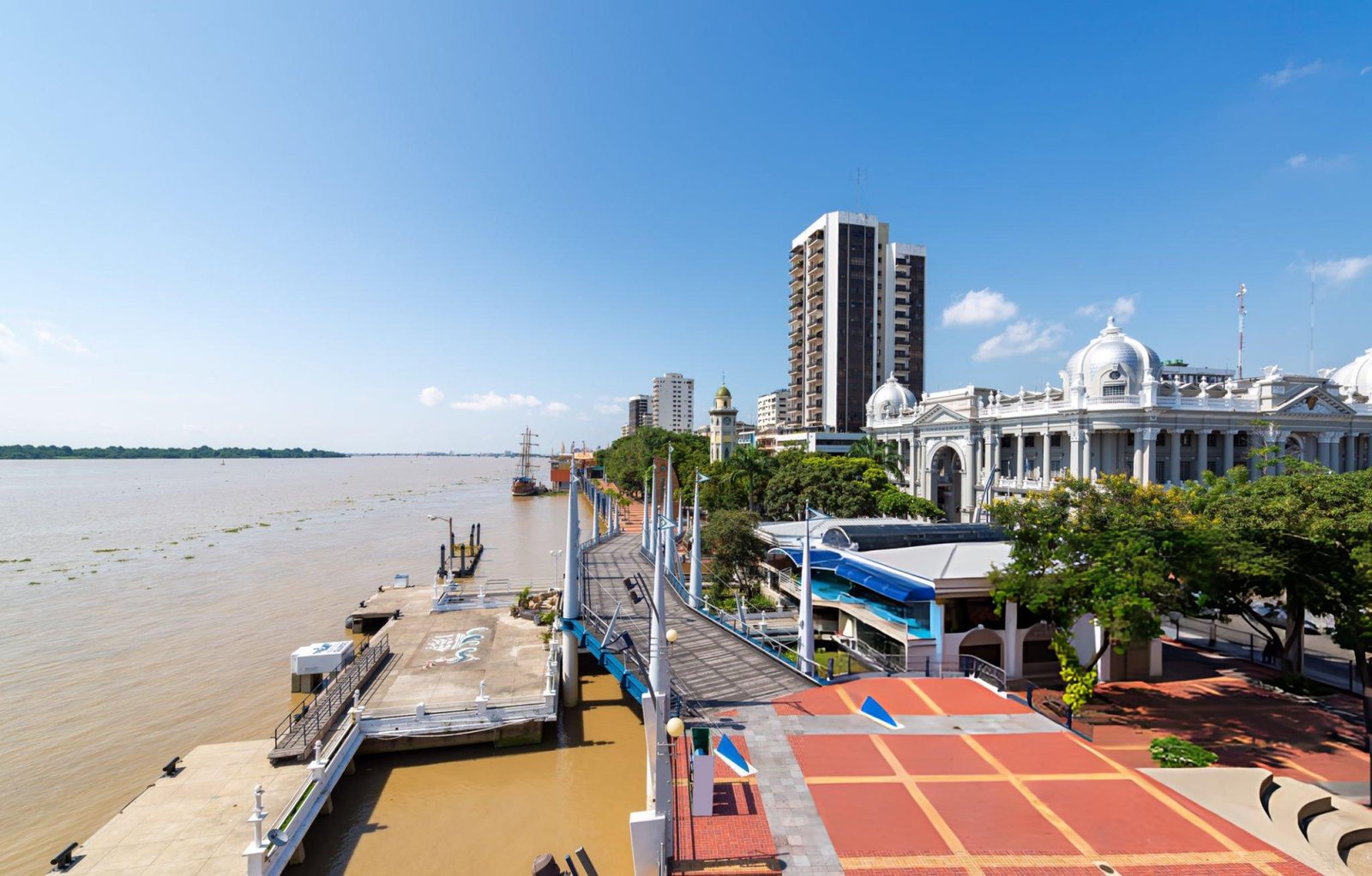
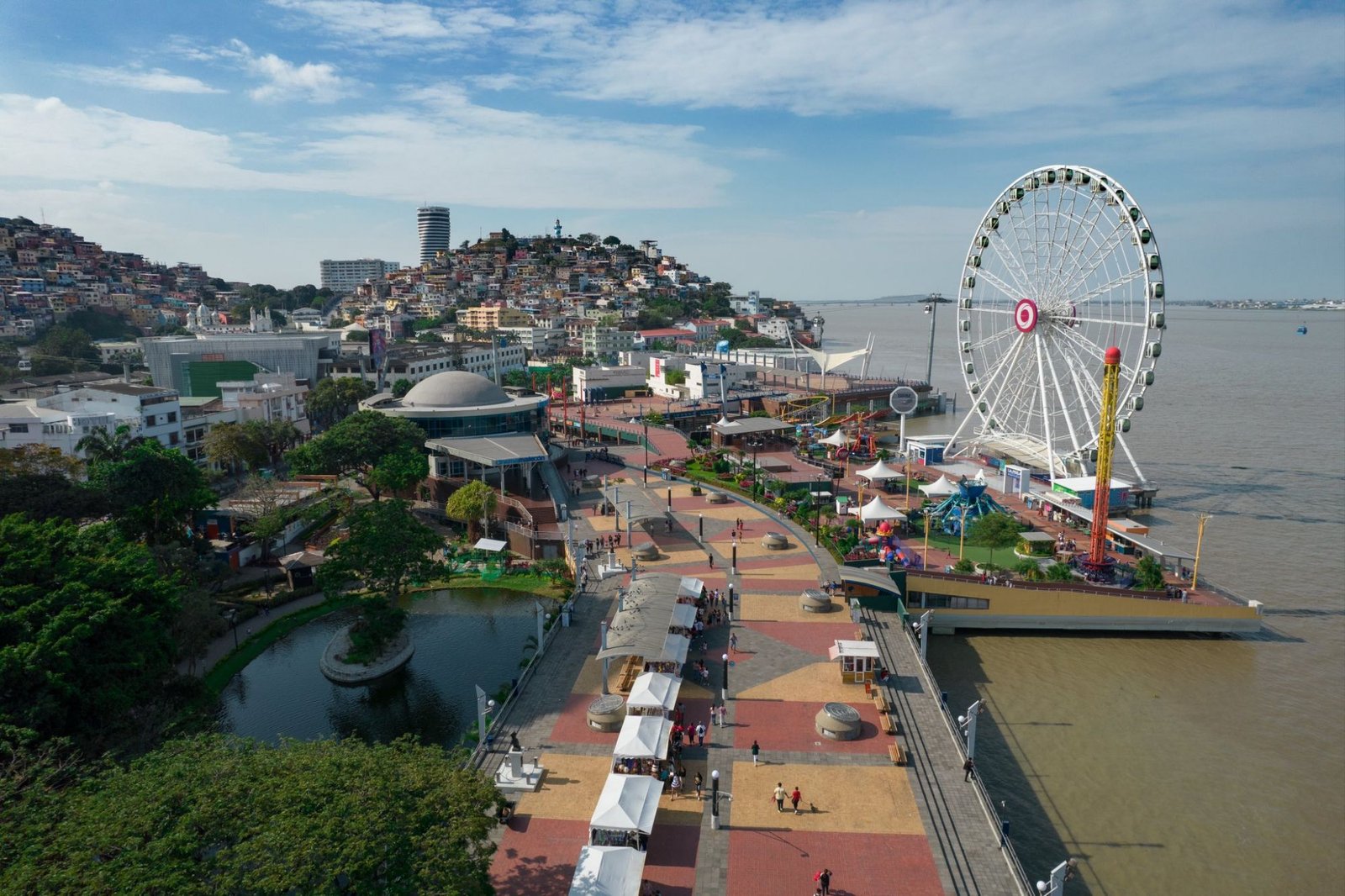
This connection between the neighborhood, the river, and the city links Las Peñas to other iconic places in Guayaquil, such as Malecón 2000. From various spots along the riverside promenade, visitors can admire Las Peñas’s silhouette and grasp the river’s pivotal role in the city’s urban development.

Las Peñas Neighbourhood, Guayaquil 1905 – 1910.

Las Peñas: The Fires That Shaped Its History and Architecture

The history of Las Peñas is marked by two major fires that forever changed the character and architecture of the neighborhood. The first fire occurred during the night of October 5 and into the early hours of October 6, 1896, as part of the Great Fire of Guayaquil. This devastating fire swept through much of the city, reaching the Las Peñas area.

Following its reconstruction, the neighborhood suffered another fire on July 16, 1902. Together, these two disasters resulted in the loss of numerous historic buildings and led to the reconstruction of much of the neighborhood.

Many of the structures we recognize today as part of Las Peñas’ heritage are not the original colonial houses, but rather, buildings that were reconstructed during the early 20th century. Nevertheless, elements such as timber construction, balconies, windows, ornamental details, and how the houses adapt to the terrain have preserved important aspects of Las Peñas’s architectural identity.

This cycle of destruction and reconstruction is essential to understanding Las Peñas. The neighborhood that visitors explore today reflects Guayaquil’s remarkable ability to rebuild after devastating fires while preserving elements of its urban memory.

Walking along Numa Pompilio Llona Street today provides an opportunity to experience that history first-hand: the heritage houses, wooden façades and traditional balconies reveal the story of an old neighbourhood, while also showing how Guayaquil changed following one of the most difficult periods in its history. As you make your way through Las Peñas, the historic neighbourhood gradually gives way to the modern face of Guayaquil: Puerto Santa Ana.

Trail Forth Journal — Smart Planner

How much time do you have in Guayaquil?

Select a time window on the clock to filter itineraries structured to match your actual availability.

Curated by Trail Forth Journal

Editor's Note: At Trail Forth Journal we classify experiences by the net recommended time needed, to avoid rushed itineraries. Each route accounts for transfer distances, optimal time on site, and safety margins for travelers on an airport layover, business trips, or extended vacations to the Coast or Galápagos.
Planning a stop in Guayaquil? Share this guide.
WhatsApp

Explore Las Peñas!

How to explore Las Peñas

There are several ways to explore Las Peñas, each offering a different perspective on the neighbourhood. The area’s history is also intertwined with one of the most devastating events in Guayaquil’s past. The Great Fire of 1896 had a severe impact on the city, destroying much of its built environment, including the historic Las Peñas district.

Las Peñas Neighbourhood, Guayaquil 1905 – 1920.

One of the most rewarding places to start is Numa Pompilio Llona Street, one of the area’s most distinctive thoroughfares. The street’s heritage buildings, colourful façades and visual connection with the river have made it one of the most photographed settings in Guayaquil.

Among its historic structures are several traditional wooden houses that have been preserved as part of the neighbourhood’s architectural identity. One of these houses, located at Nos. 182–184, is associated with Numa Pompilio Llona, the Ecuadorian writer after whom the street is named.

The name Las Peñas traditionally refers to the rocky formations that once characterised this area along the river. During its early development, the neighbourhood was associated with activities such as fishing and artisanal trades, before gradually becoming one of the city’s most recognisable residential districts.

Over time, the houses and streets have acquired new uses, and today they are part of one of Guayaquil’s most distinctive heritage trails — an area where architecture, history, and the riverside landscape converge to create a remarkably compact space.

Location map: Las Peñas

Las Peñas Neighborhood

Wander cobblestone lanes lined with painted facades, where Guayaquil's story first began. Trace the neighborhood's hidden corners on the map below.
Guayaquil Tourist Map
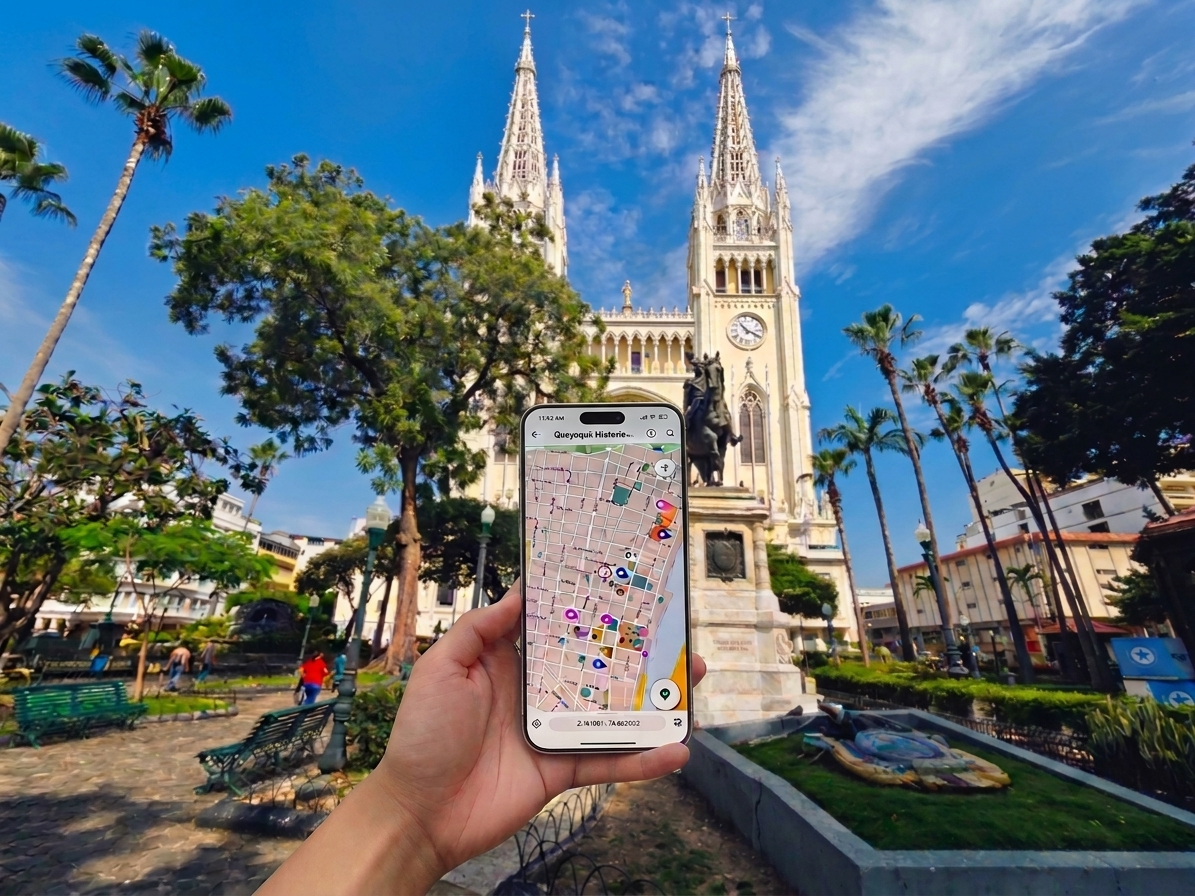
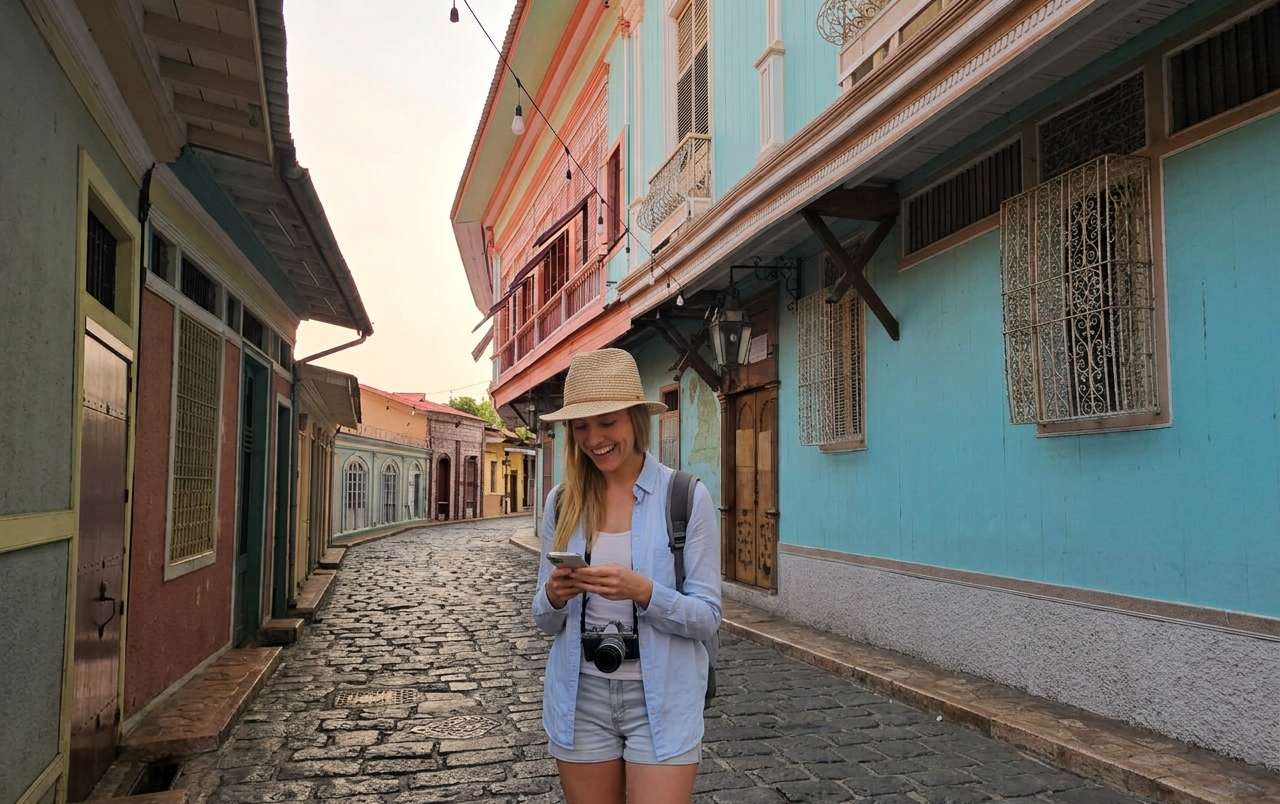
Traveler using Avenza Maps in Guayaquil
2026 Edition ·

Guayaquil Tourist Map

Trail Forth Journal
Avenza Maps
Free Download

Carry Guayaquil with you, wherever the road leads.

A complimentary companion for the journey — fully navigable offline, with GPS to guide you through every cobblestone street and hidden viewpoint, powered by Avenza Maps.

GPS, Even Offline No Signal Required A Map Worth Keeping

Diego Noboa Stairway: 444 steps to one of Guayaquil’s finest views

Barrio Las Peñas 1905 – 1920

Another way to experience Las Peñas is to ascend the Diego Noboa Stairway, which winds its way up the slopes of Santa Ana Hill.

Its 444 steps wind through a colourful passageway lined with cafés, bars, small shops and souvenir stores, accompanying visitors from the outset of their climb to the hill’s higher reaches.

The stairway creates a natural transition between the historic neighbourhood below and one of Guayaquil’s finest viewpoints above.

As you climb, the urban landscape gradually unfolds before you, offering new perspectives of the Guayas River, the city centre and the neighbourhoods that surround this historic hill.

The route begins at Step 1, located on Numa Pompilio Llona Street. At Step 123, there is a rest area and viewpoint offering sweeping views of Guayaquil, the Guayas River, part of Malecón 2000 and Santay Island.

At Step 384, visitors will find the El Fortín Museum, which displays replicas of historical artefacts that were once used to defend the city against pirate attacks. From this point to the summit, the stairway connects the El Fortín viewpoint plaza with the lighthouse, chapel, and ceremonial plaza.

The lighthouse at the summit of Santa Ana Hill is a recreation of Ecuador’s first lighthouse, which was located on Santa Clara Island off Punta de Piedra in the Gulf of Guayaquil in 1841.

Las Peñas 360°

360° Immersion

Guayaquil: Tours, Tourist Map & Local Guide 2026

Las Peñas is just the beginning… discover everything Guayaquil has for you.

A Journey Through Color, Art, and Tradition

The Peñas at night.

Exploring Las Peñas reveals that Guayaquil’s heritage extends beyond a single monument. The city’s streets, churches, plazas, traditional neighbourhoods and riverside spaces all form part of an urban history that has evolved over centuries.

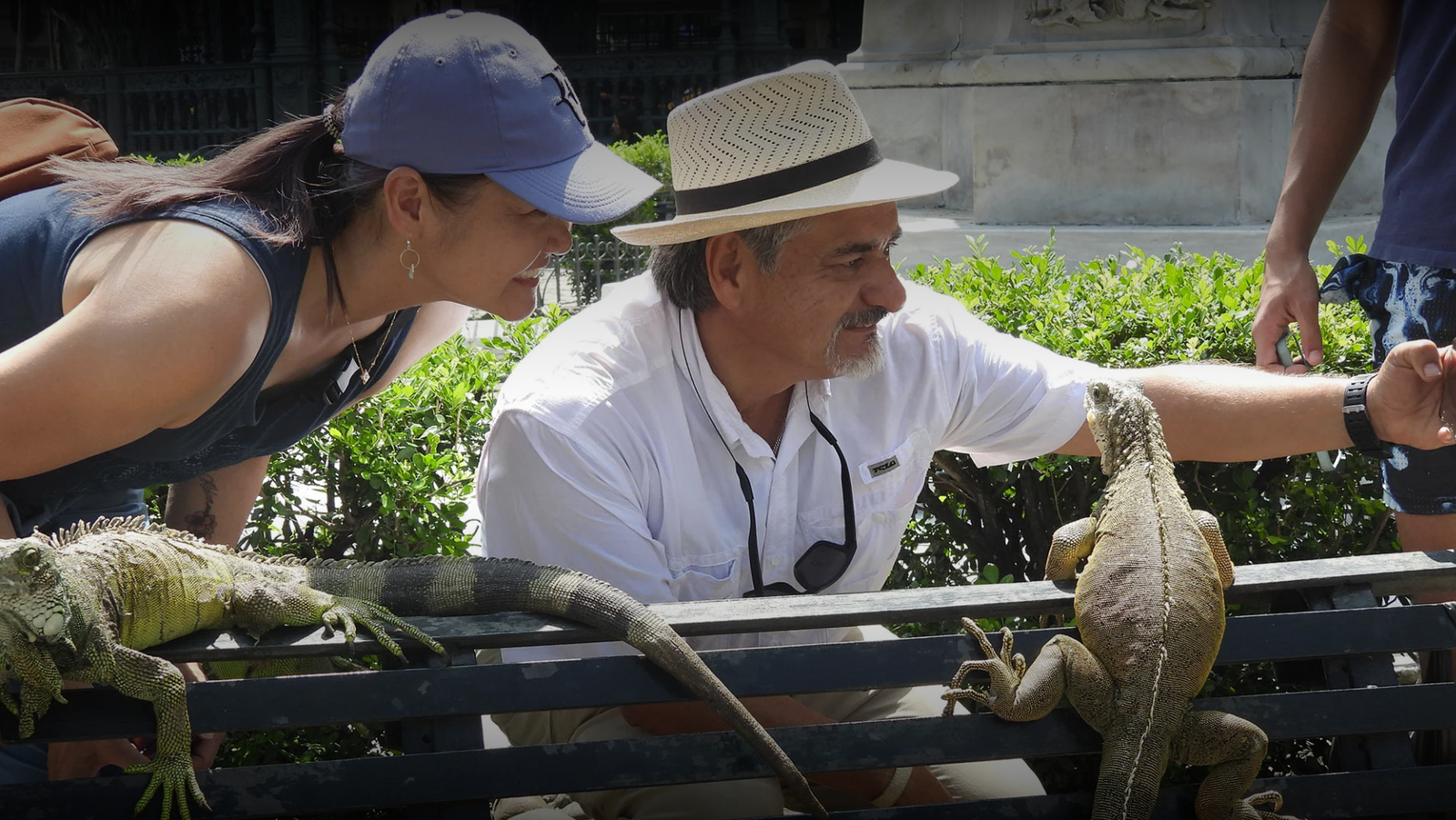
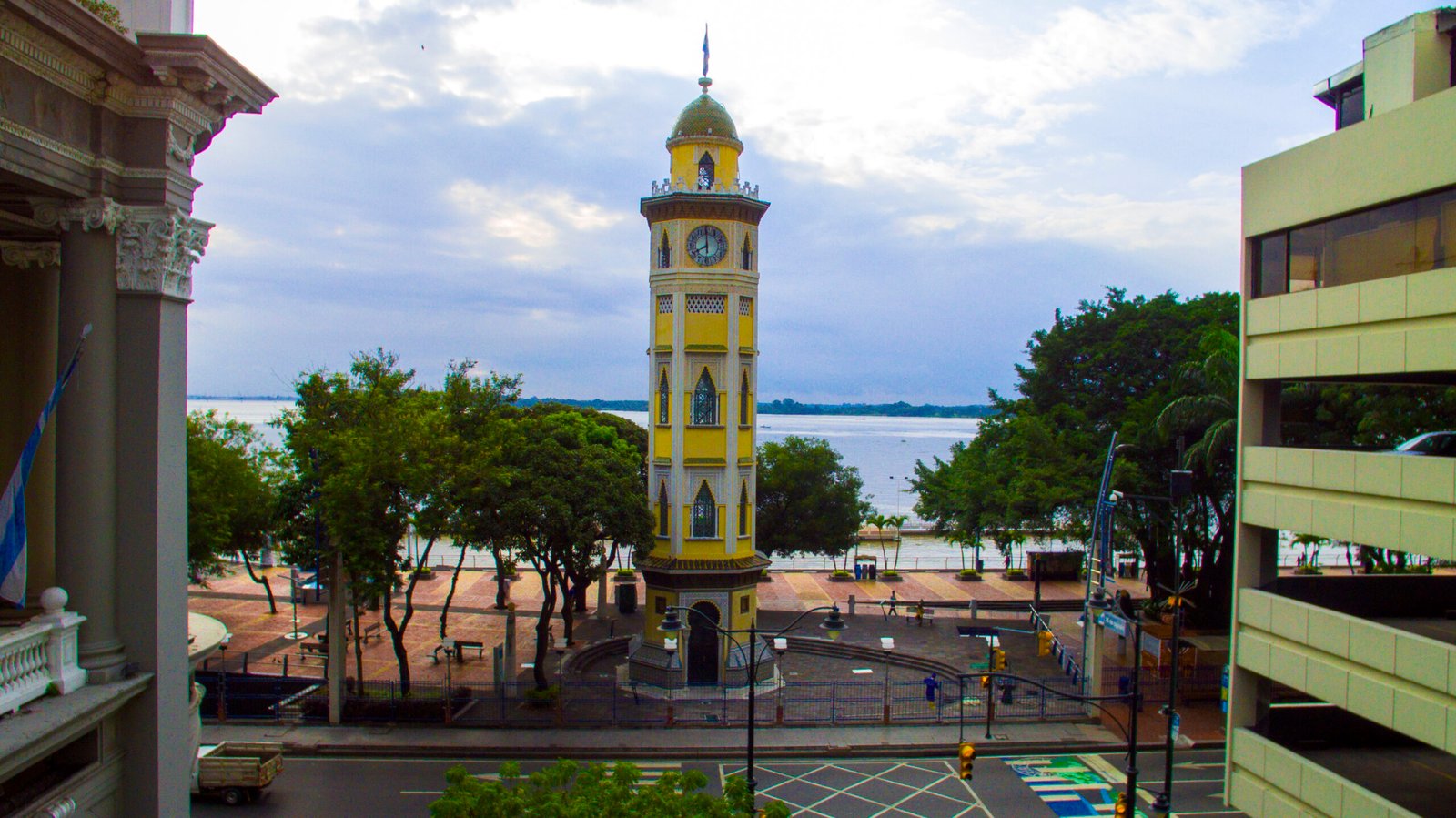
Las Peñas forms part of a wider collection of historic and cultural sites that reveal the evolution of Guayaquil. Notable sites include the Guayaquil Metropolitan Cathedral, the Hemiciclo de La Rotonda, the Torre Morisca, Seminario Park (also known as Iguana Park), the Malecon 2000 and the Puerto Santa Ana. These sites are integral to the city’s heritage and urban landscape, and are representative of the neighbourhood itself.

Each of these places has its own history and identity. Examples include the religious architecture and public spaces of the historic centre, Guayaquil’s relationship with the Guayas River, and the transformation of its historic districts. Together with Las Peñas, these places are of considerable historical and cultural significance, offering a deeper understanding of the city and its development.

If you would like to explore these places on a tour that ties their stories together, we offer daily experiences. Our Guayaquil city tours combine some of the city’s most important historic, architectural and cultural sites in a comfortable, carefully planned itinerary.

Alternatively, if you prefer to explore on foot and experience Guayaquil at a different pace, you can discover the city centre on our walking tour. This experience combines a walking route with carefully selected viewpoints, offering different perspectives of the city.

Step by step, Santa Ana Hill.

Specifically, the tour starts at step number 1, located on Numa Pompilio Llona Street. At number 123 there is a rest area and a viewpoint from where you can see Guayaquil, the Guayas River, part of the Malecon 2000 and Santay Island. At number 384 is the El Fortin Museum, which houses replicas of elements used to defend the city against pirate attacks. From here to the top, the staircase connects the Plaza Mirador “El Fortin” with El Faro, the Chapel and the Plaza de Honores. The lighthouse at the top of Cerro Santa Ana is a replica of the first lighthouse in Ecuador, built in 1841 on Santa Clara Island off Punta de Piedra in the Gulf of Guayaquil.

Las Peñas

Stairways

Las Peñas

GUAYAQUIL

The Diego Noboa Staircase is another way to visit this colourful 13.5-hectare hill. Consisting of 444 steps, the staircase is lined with bars, cafés and souvenir shops from the first step to the Naval Museum at the top.

Walking is by far the best way to take in Las Peñas — its steep cobblestone streets and colorful houses reward a slower pace. Our Guayaquil Walking Tour covers this neighborhood together with Santa Ana Hill and the riverfront. For other ways to experience the city, our Guayaquil tours and excursions page has the full list.

Official Experience by
Trail Forth Tours & Activities
The Experience Collection

Choose your experience in Guayaquil

TRAIL FORTH JOURNAL

Share

Read this next

Go Further

error: Content is protected !!