Guayas River, Cable Car & Coffee Tasting
Panoramic walking tour in GuayaquilDiscover the soul of Guayaquil by cruising along the river, crossing the city from above aboard the Aerovía cable car and exploring the historic downtown.
Words & Photos: Trail Forth Journal.
The traditional Las Peñas neighbourhood was declared a Historic-Artistic Site of the city on 24 July 1973. In addition, on 23 July 1982, Barrio Las Peñas was declared part of the Ecuadorian Architectural Heritage for its historical value. It is located on the site where the city of Guayaquil was founded, and its architecture still preserves details from the early twentieth century. It is currently one of the most visited and photographed sites in Guayaquil.
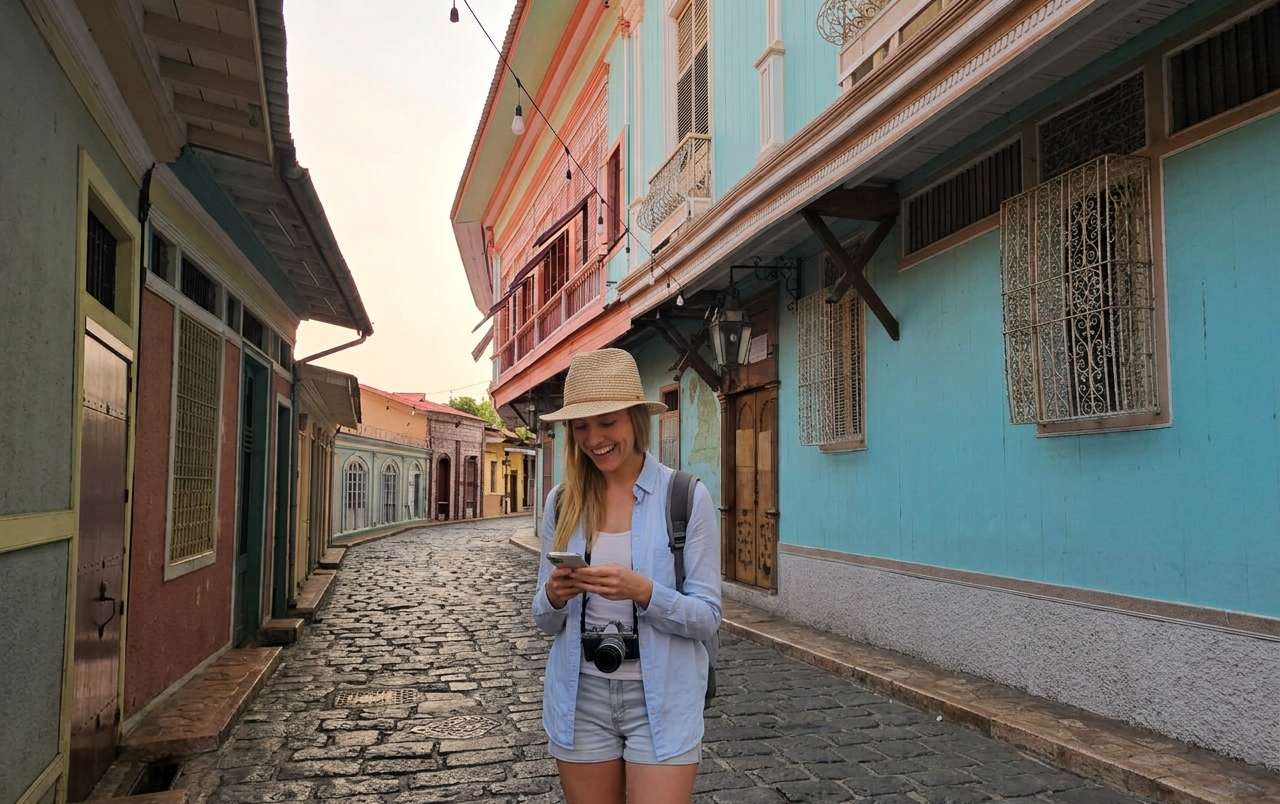
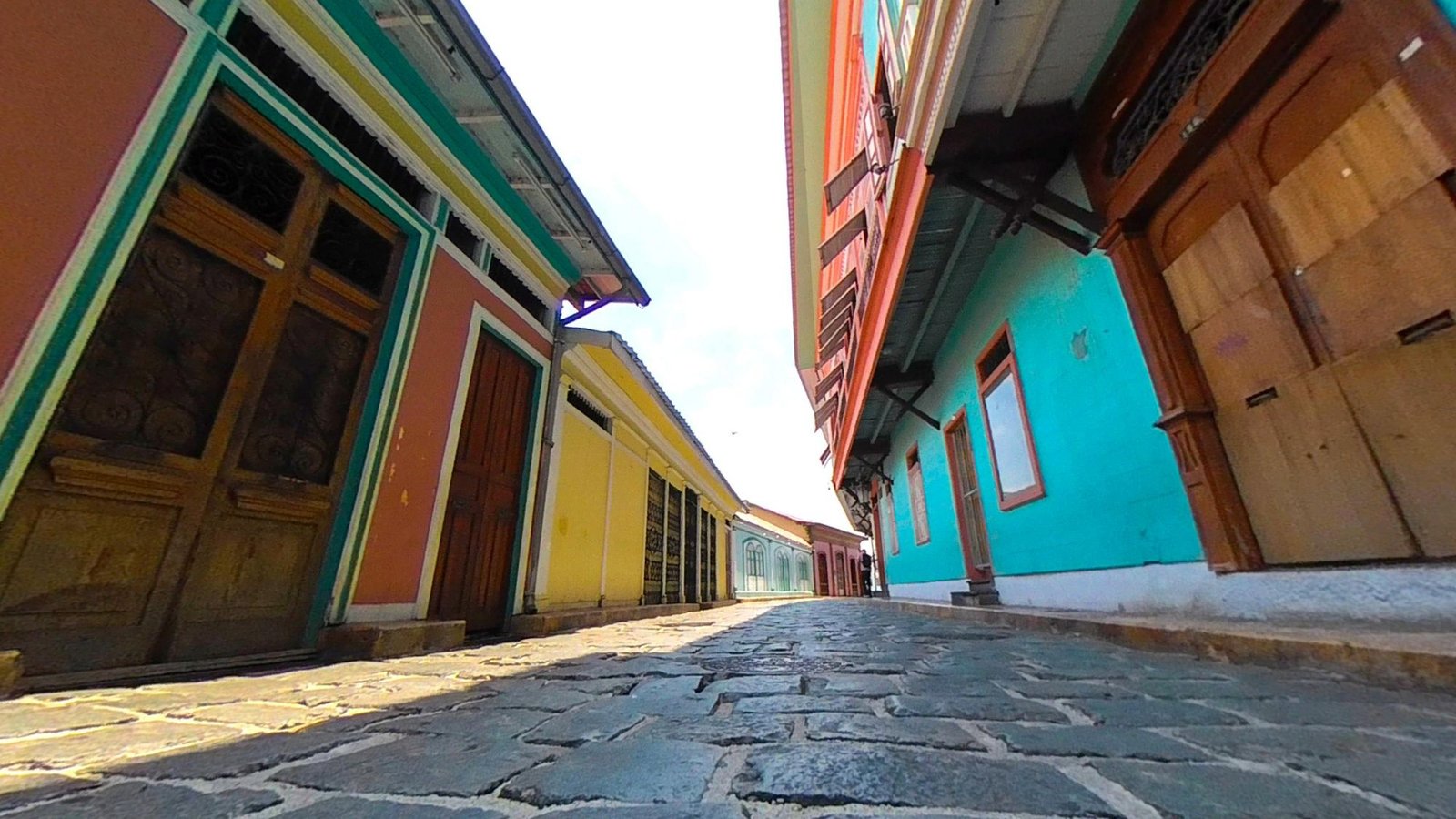
A view of the traditional Las Peñas neighbourhood.
Las Peñas Neighbourhood, Guayaquil 1905 – 1910.
Las Peñas, the historic heart of Guayaquil and its oldest residential neighborhood, offers a unique glimpse into the city’s origins and cultural identity. The neighborhood’s traditional wooden houses with vibrant balconies and historic streets have witnessed centuries of transformation, from the colonial period to the rise of modern Ecuador. Throughout history, many prominent national figures have called the neighborhood home, including eleven former Ecuadorian presidents, such as Eloy Alfaro, José Luis Tamayo, and Alfredo Baquerizo Moreno. Today, Las Peñas is one of Guayaquil’s most popular cultural attractions, renowned for its architecture, artistic ambiance, and connection to the city’s rich past.
Throughout its history, Las Peñas has attracted artists, writers, intellectuals, and political figures from Latin America and beyond. Historical records indicate that Che Guevara stayed in one of the neighborhood’s historic homes for 43 days in 1953 while traveling through South America. The area has also been associated with prominent Ecuadorian cultural figures, including the painter Manuel Rendón Seminario and the writer Juan Montalvo. Las Peñas has also welcomed Nobel Prize winners Pablo Neruda and Gabriela Mistral, as well as Ernest Hemingway, further reinforcing its status as one of Guayaquil’s most culturally significant neighborhoods.
Discover Guayaquil beyond the guidebooks. Join our Walking Experience for an up-close journey through the historic downtown, or upgrade to our Private City Tour with hotel pick-up, private transportation, panoramic viewpoints, and the city’s most iconic landmarks.
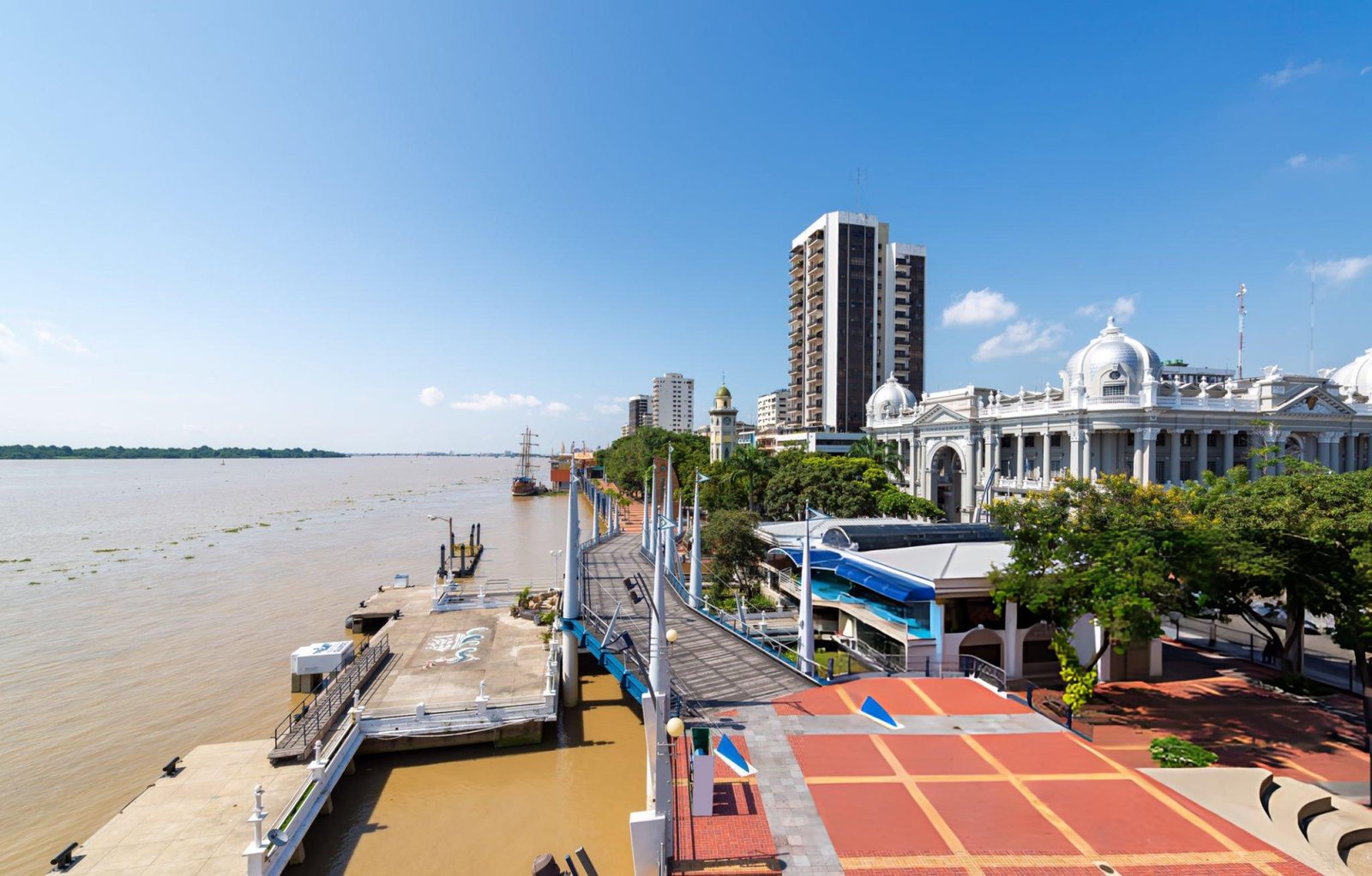
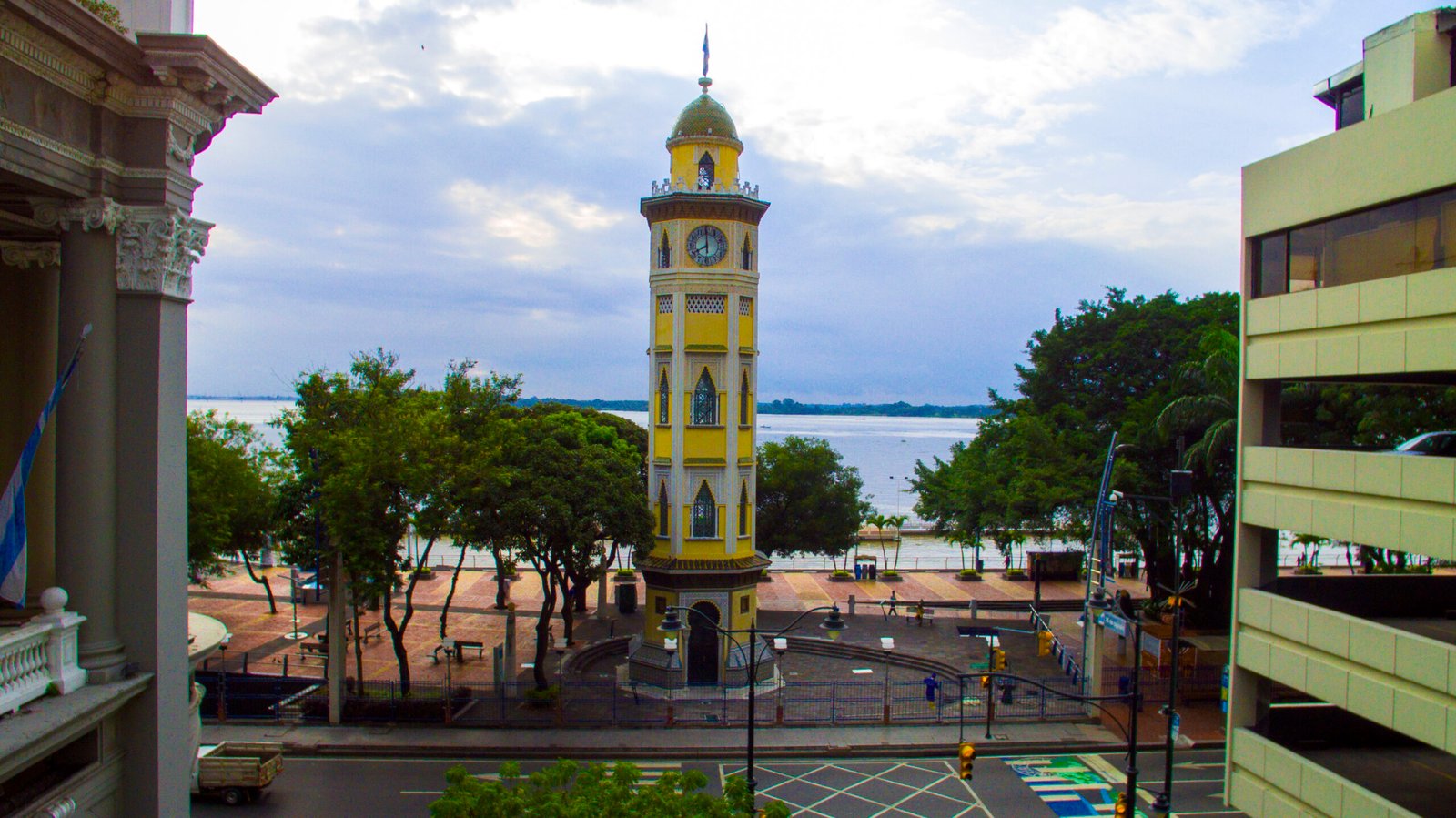
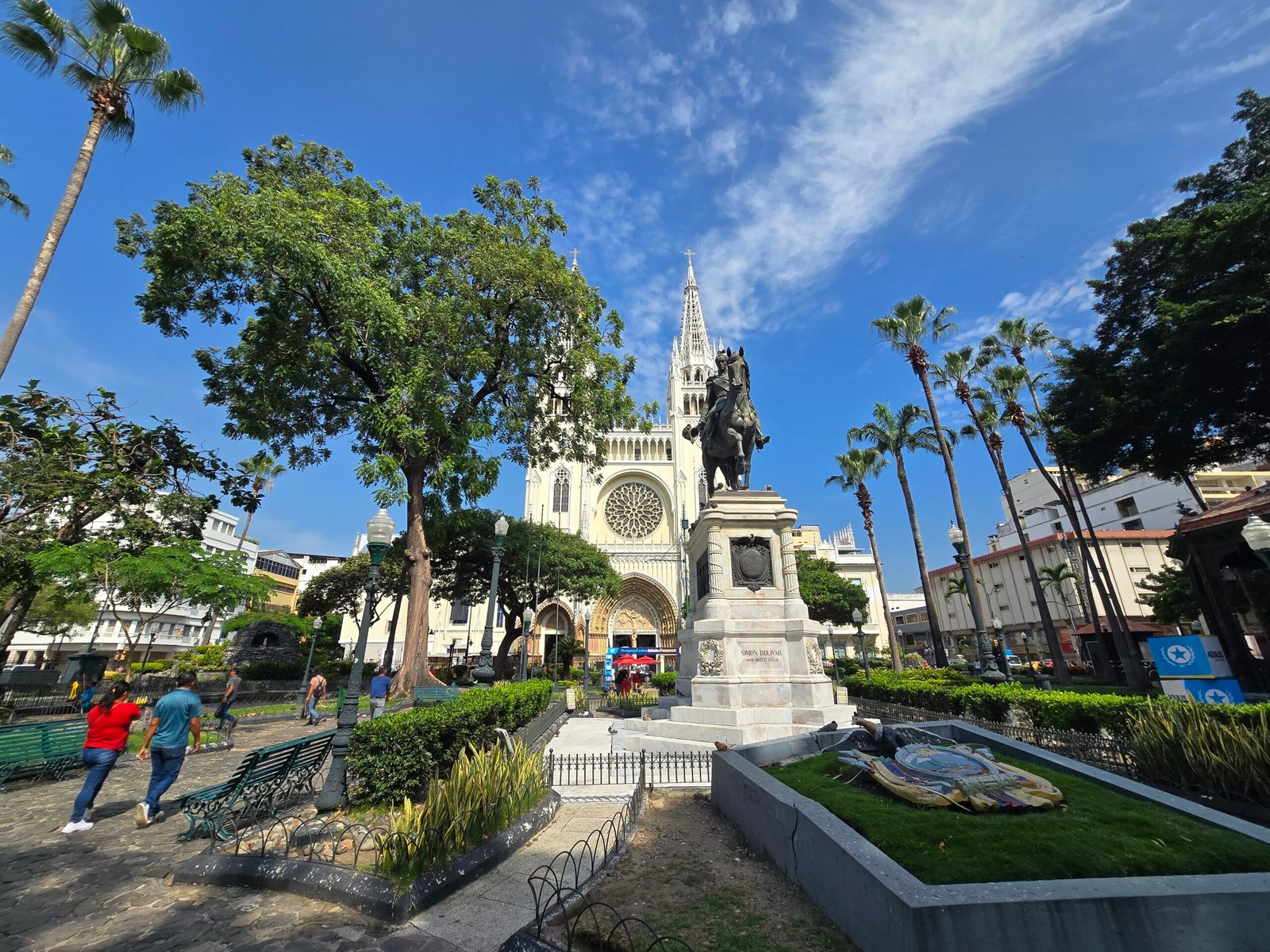
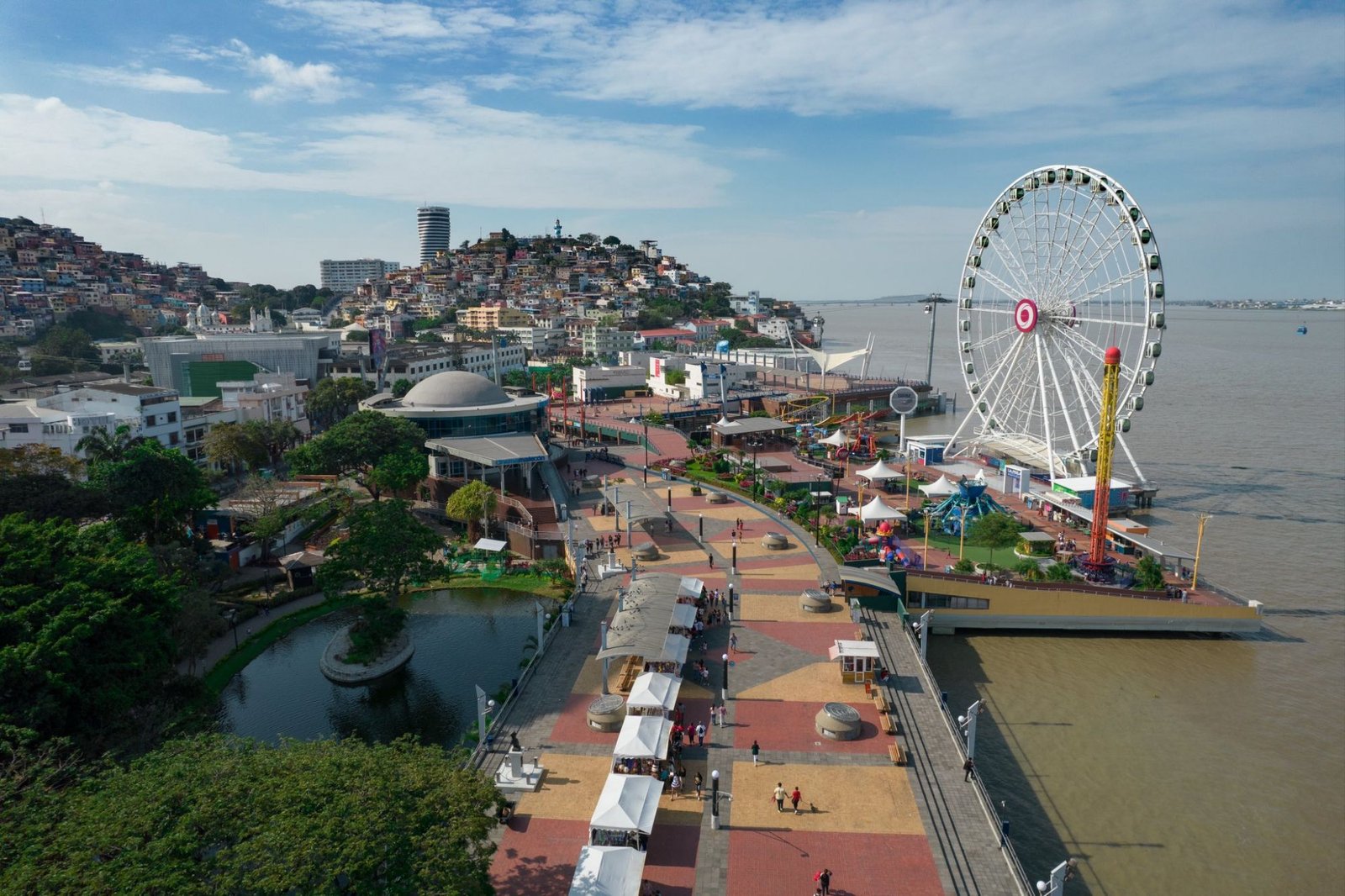
Guayaquil, Ecuador’s vibrant port city, seamlessly blends history and urban life with the majestic Guayas River. Join us on one of our Guayaquil tours to explore traditional neighbourhoods, the iconic Malecón esplanade and panoramic viewpoints, and gain an authentic insight into Ecuador’s coastal culture.
Discover the soul of Guayaquil by cruising along the river, crossing the city from above aboard the Aerovía cable car and exploring the historic downtown.
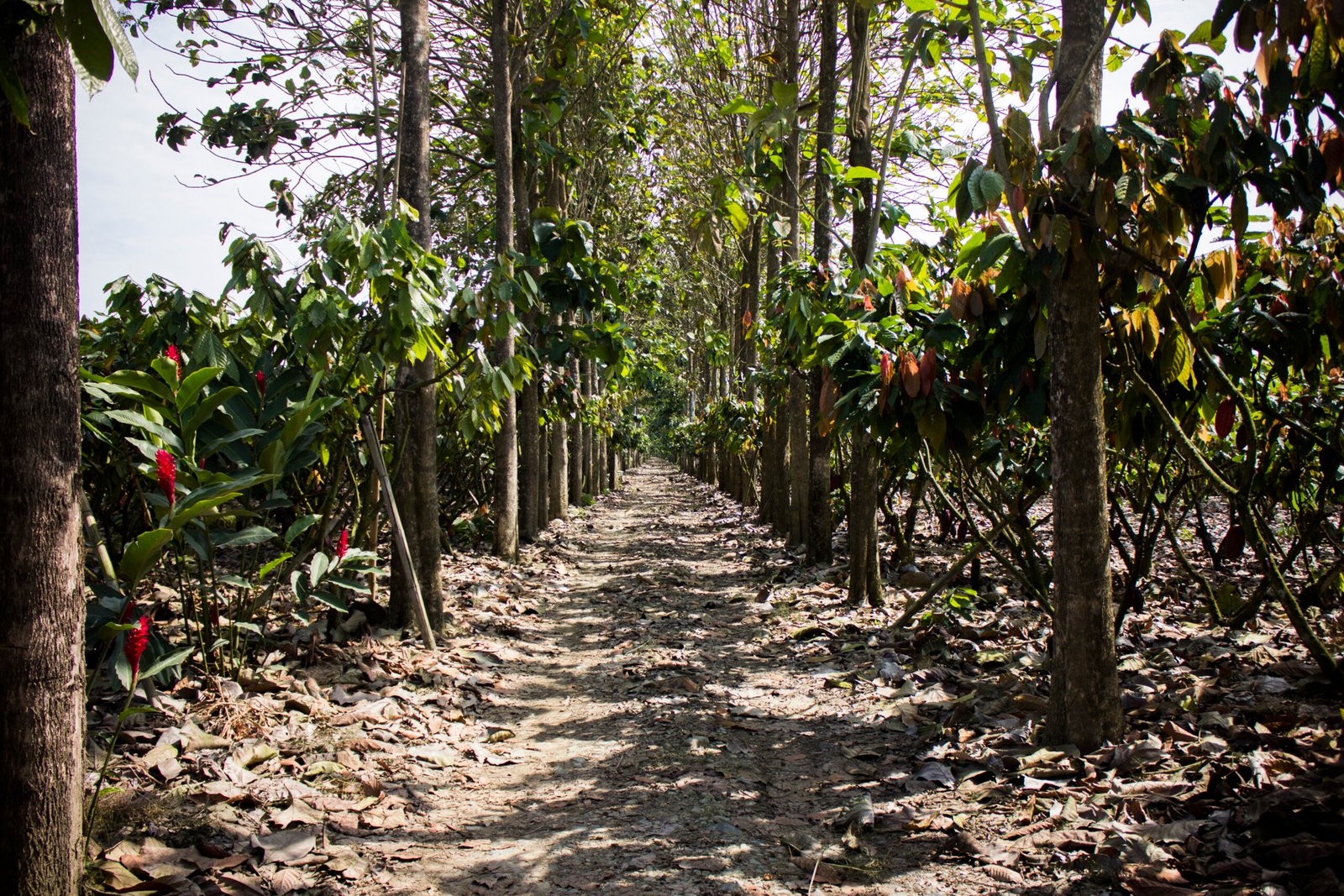
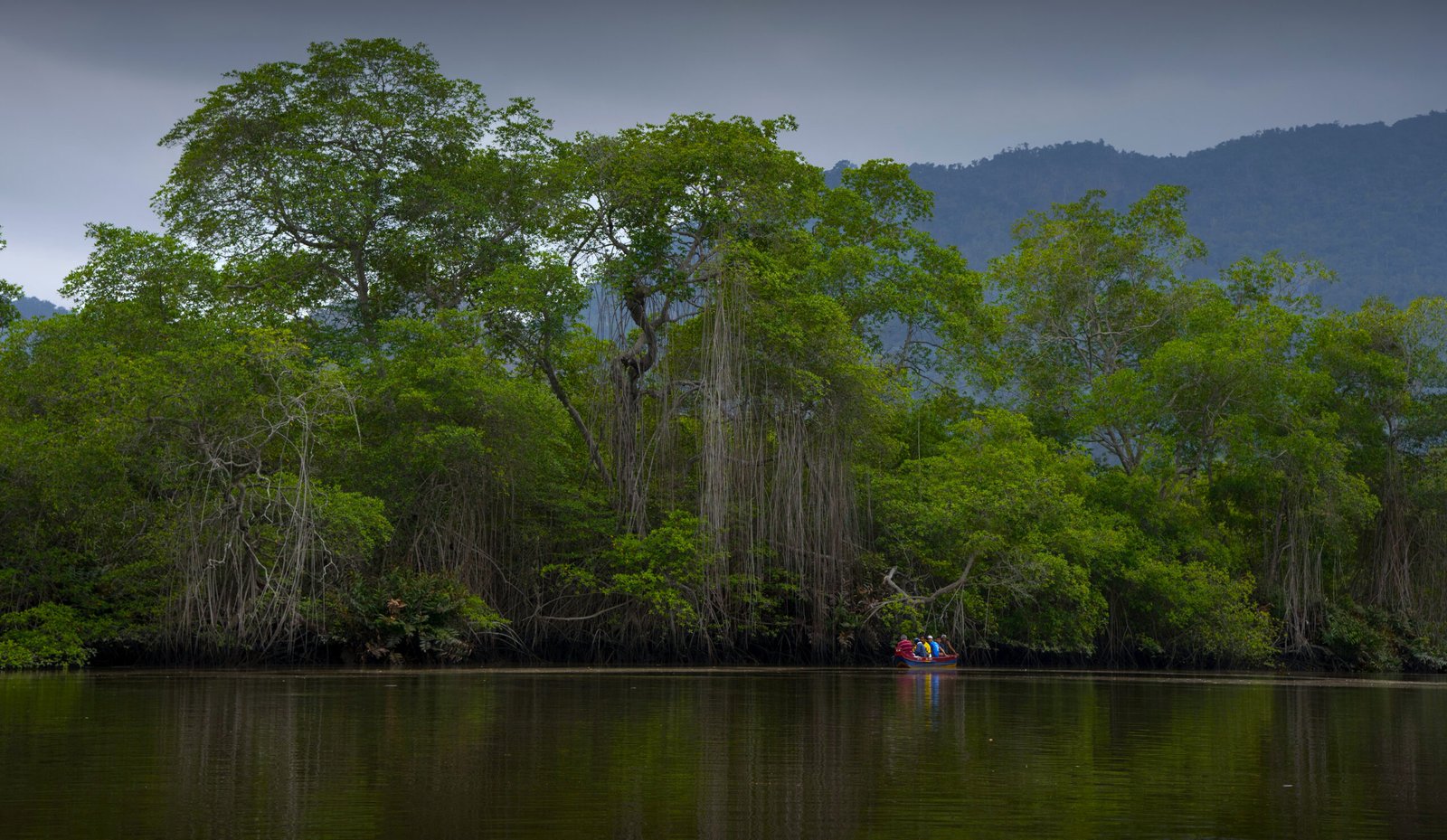
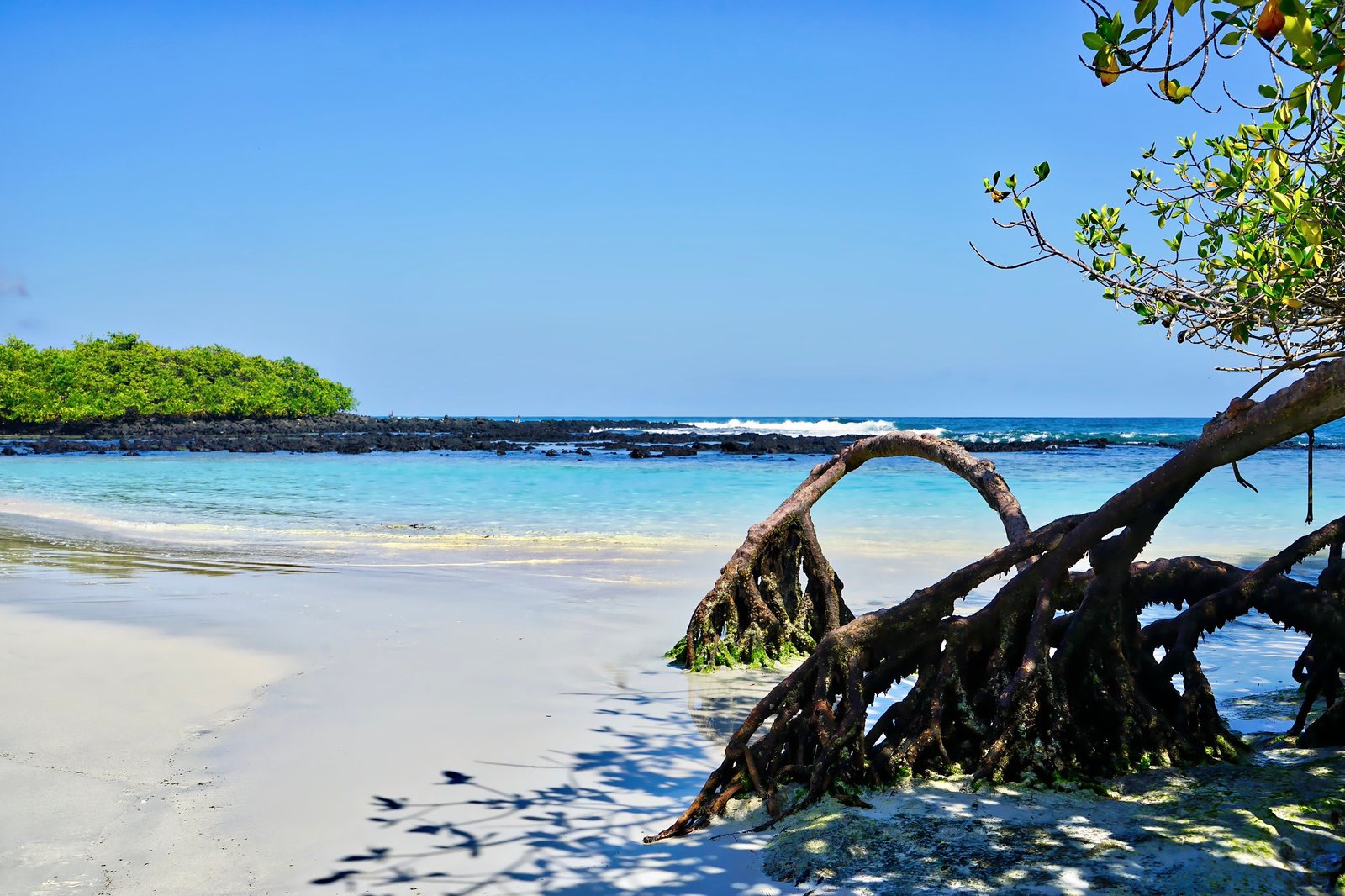
Just a few kilometres from Guayaquil, nature takes over, transforming the city’s rhythm into a sanctuary of wildlife and coastal landscapes. From lush protected areas to traditional cacao plantations, our tours and experiences from Guayaquil offer a deeper connection to Ecuador’s coastal heritage. Join us on a tour of the mangroves, estuaries, rural landscapes and local communities around Guayaquil.
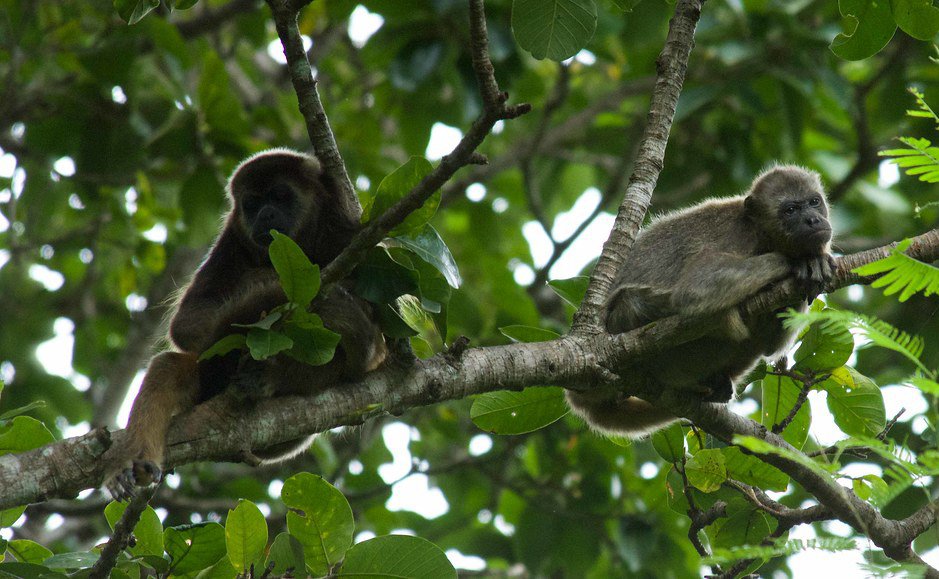
Explore one of the most important ecosystems on Ecuador’s coast and discover wildlife in its purest natural state.
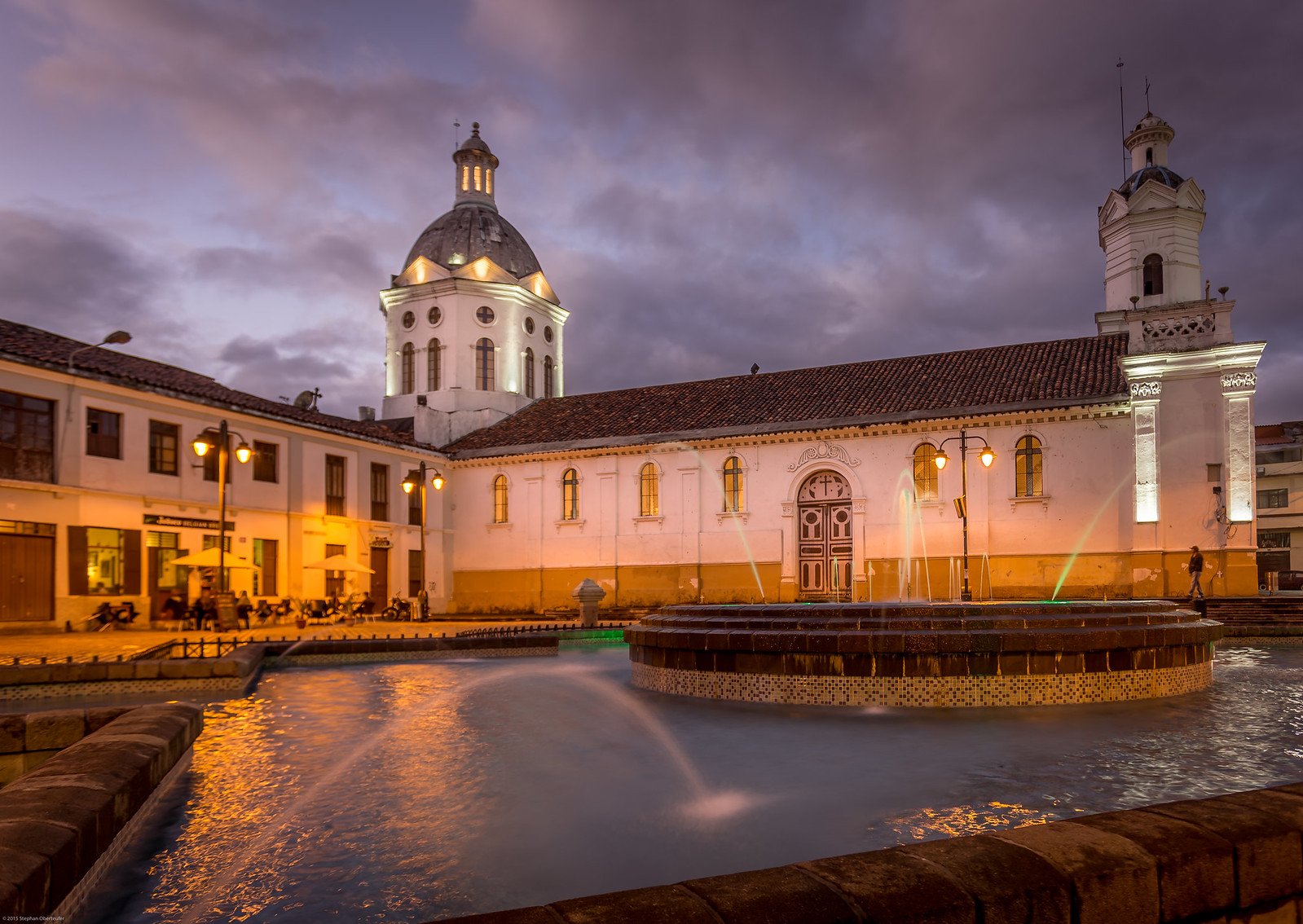
Discover unforgettable tours and activities in Cuenca, just a few hours from Guayaquil. From colonial streets and cultural landmarks to the breathtaking landscapes of Cajas National Park, the journey offers one of Ecuador’s most scenic Andean experiences. Explore our curated selection of Cuenca tours and activities and discover the best of southern Ecuador.
Cross the Andes to discover Cuenca’s colonial architecture and the dramatic highland landscapes of Cajas National Park on an unforgettable journey.
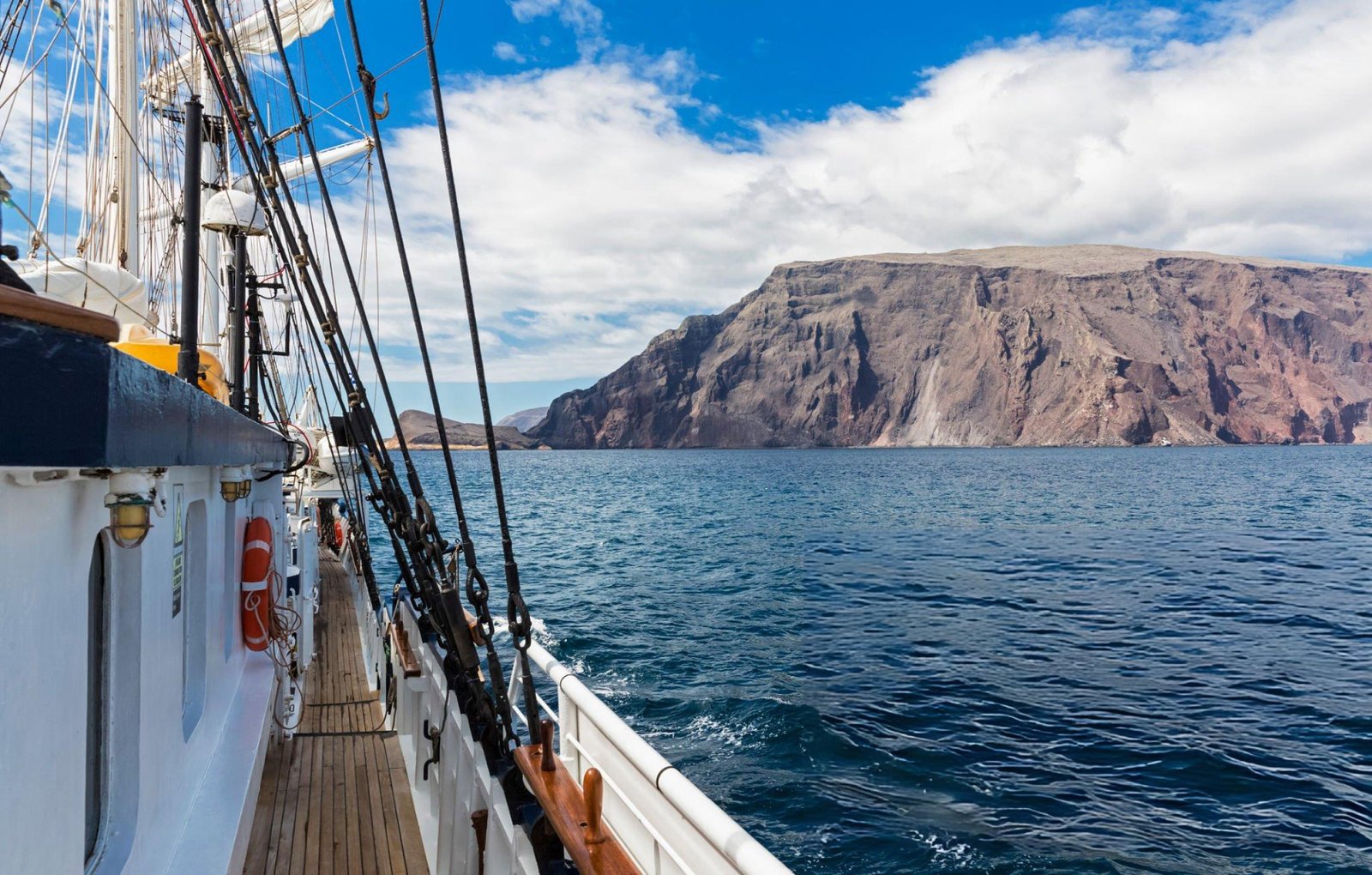
Discover unforgettable tours and activities in the Galápagos Islands, easily accessible from Guayaquil. From volcanic landscapes and crystal-clear waters to wildlife encounters found nowhere else on Earth, the Enchanted Islands offer one of Ecuador’s most extraordinary travel experiences. Explore our curated selection of Galápagos tours and activities and discover the magic of the archipelago.
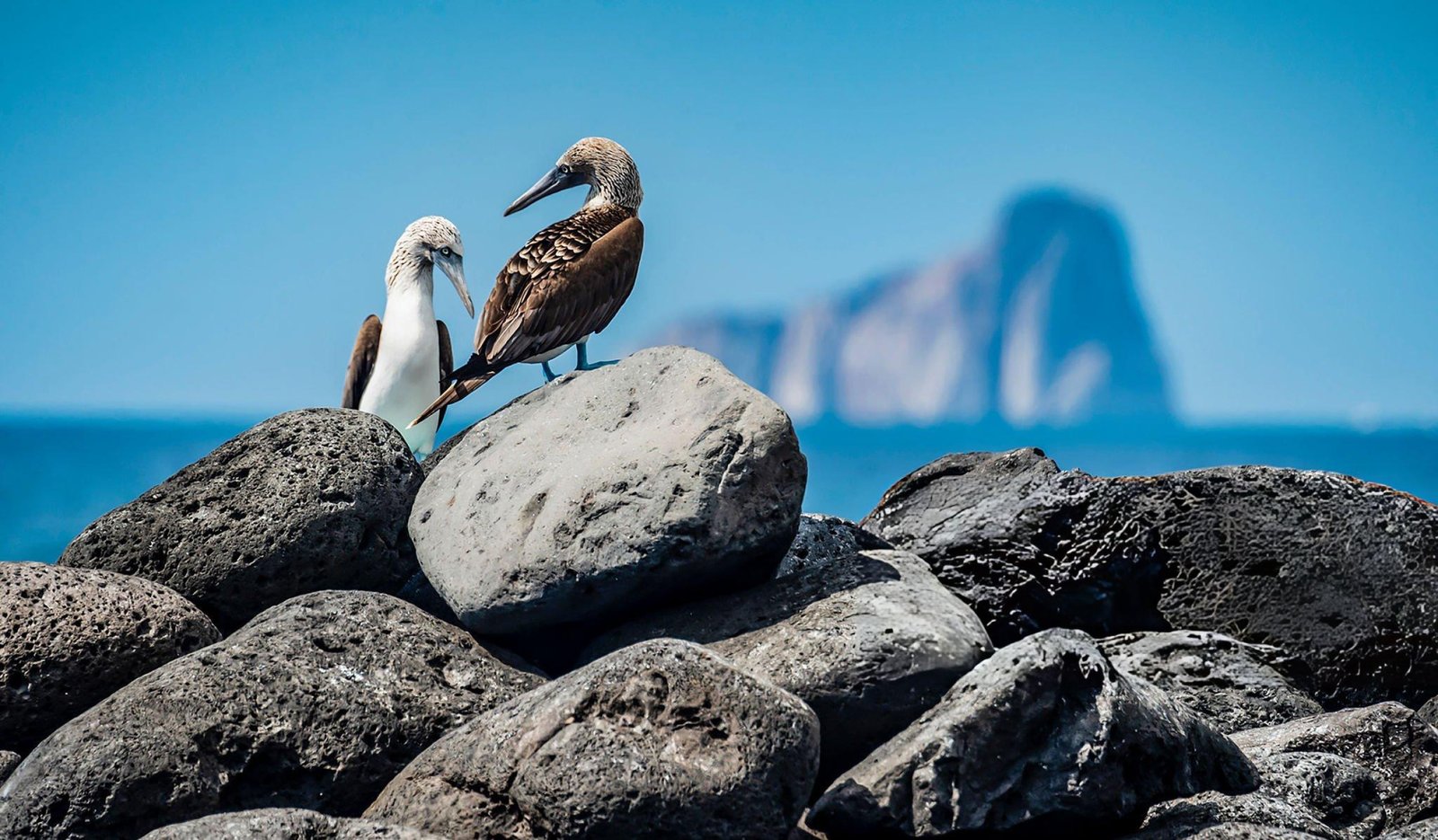
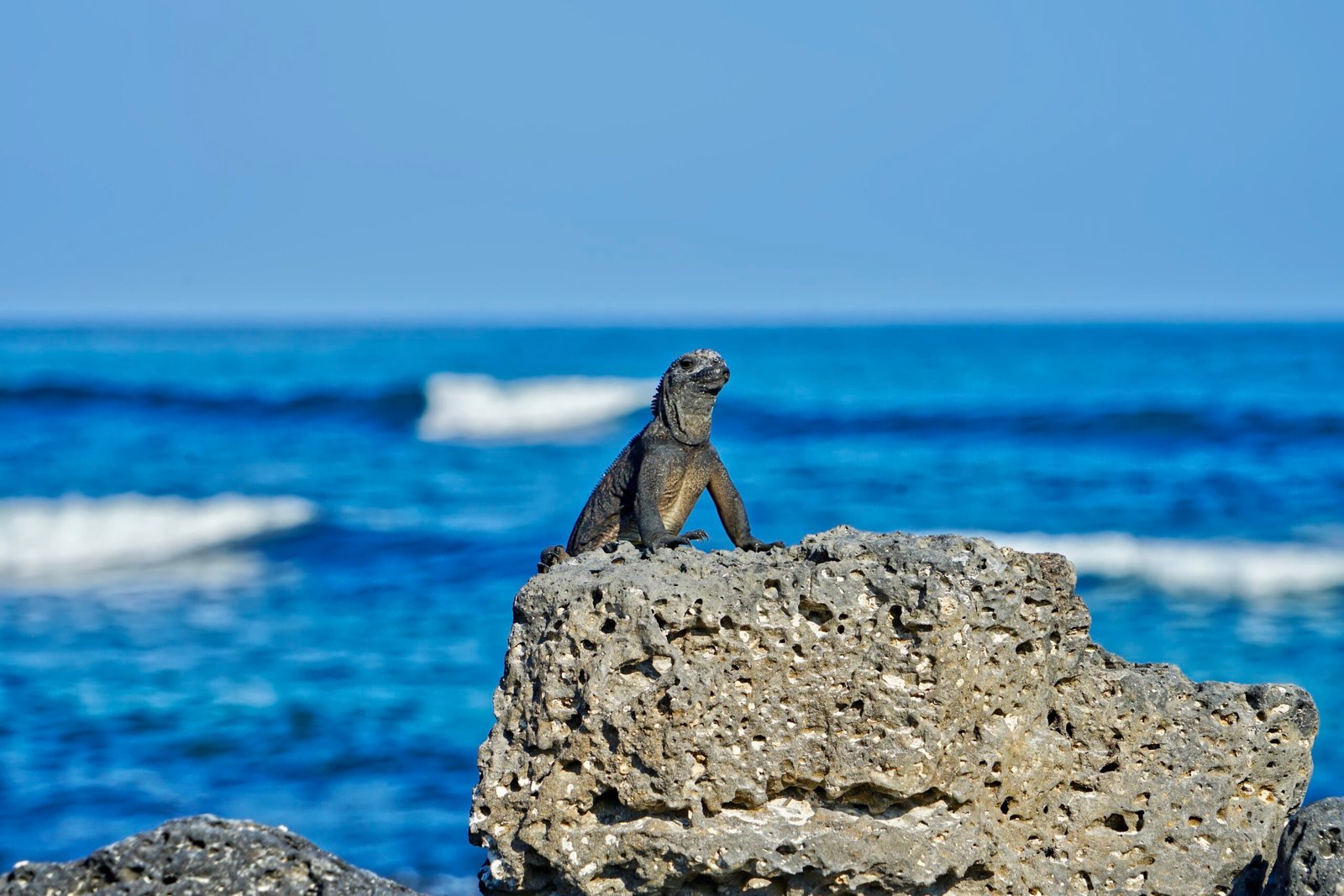
Encounter the legendary biodiversity of San Cristóbal, walking alongside iconic sea lions, blue-footed boobies, and marine iguanas in a pristine living laboratory.
Las Peñas Neighbourhood, Guayaquil 1905 – 1920.
Barrio Las Peñas and Malecón 2000 are located right on the Guayas River, so they can be seen from several points in Guayaquil, as well as from Santay Island or the city of Durán, which is off the coast of Guayaquil.
Unfortunately, the Las Peñas neighbourhood was completely destroyed in the great fire of 1896. After this event, it was rebuilt in a neoclassical style, which can be seen by walking along Numa Pompillo Llona Street, which ends in Puerto Santa Ana.
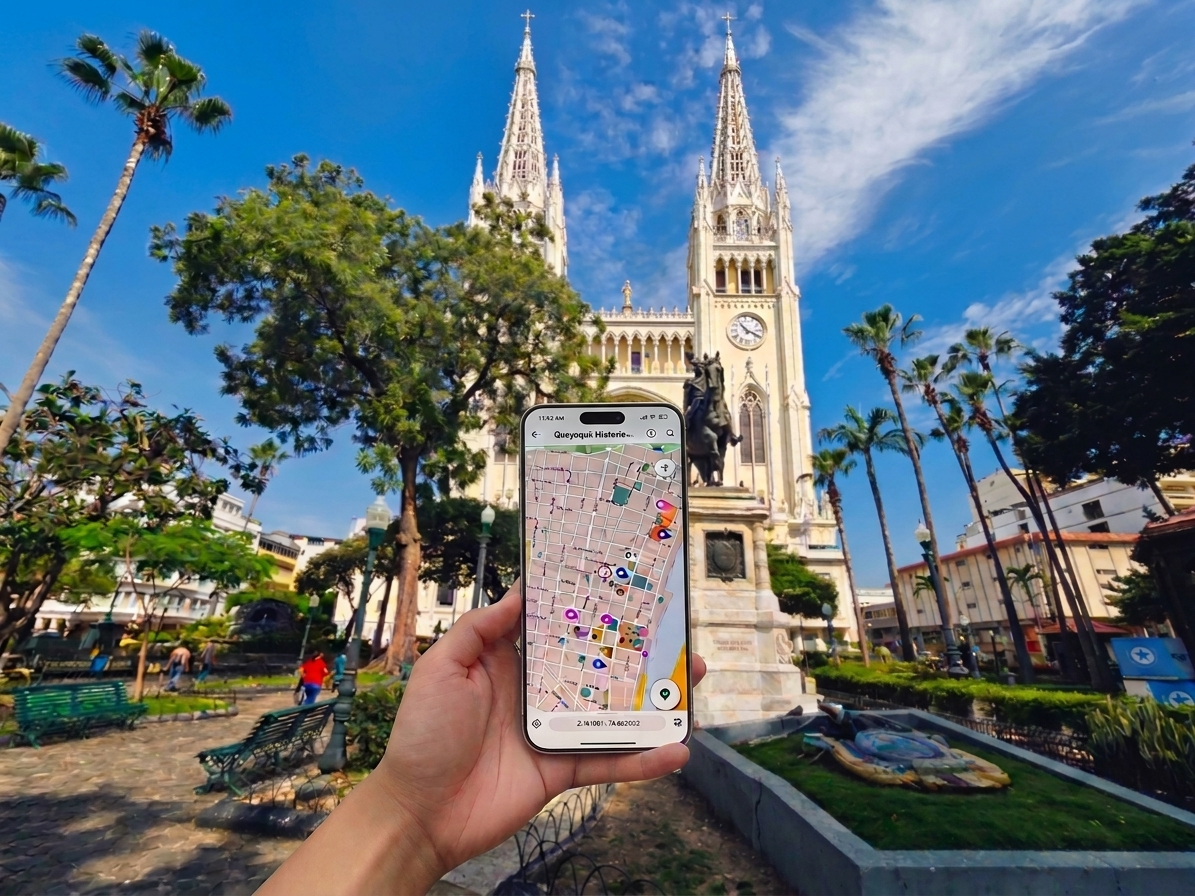
Explore the highlights on the interactive map
From the artistic legacy of Numa Pompilio Llona Street to the sweeping riverfront history of Guayaquil. Secure your spot on our daily departures.
Looking for a custom plan?
Talk to an expertBook private tours and curated experiences with certified local guides. Premium quality in every journey.

Explore the 20 must-see sites of the "Pearl of the Pacific" with our free interactive map.
Culture, shopping, and urban life. Everything you need to know to experience Guayaquil like a local.
The traditional Barrio Las Peñas can be visited in two ways. One is the street Numa Pompillo Llona. This street is a space rescued from the old Guayaquil that allows you to travel back in time and return to the present. This street is one of the city’s landmarks and one of the most photographed areas because of the architecture of the historic buildings. In this street the wooden houses have been preserved. One of them is 182 – 184, where the person after whom the street is named used to live.
In the early days it was the Spaniards who shaped this area and called it Las Peñas because of the large rocks there. The original inhabitants were fishermen and woodworkers. After the great fire of 1896, which completely destroyed the town, the Las Peñas neighbourhood was rebuilt. At the beginning of the 20th century, these buildings were occupied by people who gave them a commercial and tourist setting.
The Peñas at night.
Another option for exploring this colourful hill, which covers approximately 13.5 hectares, is the Diego Noboa staircase. Consisting of 444 steps, the staircase is lined with a variety of bars, cafés and souvenir shops from the first step to the Naval Museum at the top.
We think that El Barrio Las Peñas is an excellent place to stay in the city. It is close to many tourist attractions worth visiting. It is also known for being a safe area. You can find accommodation in this area below: Booking.com and Expedia.
Specifically, the tour starts at step number 1, located on Numa Pompilio Llona Street. At number 123 there is a rest area and a viewpoint from where you can see Guayaquil, the Guayas River, part of the Malecon 2000 and Santay Island. At number 384 is the El Fortin Museum, which houses replicas of elements used to defend the city against pirate attacks. From here to the top, the staircase connects the Plaza Mirador “El Fortin” with El Faro, the Chapel and the Plaza de Honores. The lighthouse at the top of Cerro Santa Ana is a replica of the first lighthouse in Ecuador, built in 1841 on Santa Clara Island off Punta de Piedra in the Gulf of Guayaquil.
The Diego Noboa Staircase is another way to visit this colourful 13.5-hectare hill. Consisting of 444 steps, the staircase is lined with bars, cafés and souvenir shops from the first step to the Naval Museum at the top.
“Trail Forth Journal is an independent editorial project dedicated to documenting maps, places, routes, and experiences across Ecuador, seen through a local lens.”
If this guide helped you plan your trip, feel free to write to me with any questions about your visit. You can also support the project.
Tell me about your dates, accommodation, or transportation questions so I can help you plan better.
This support is voluntary. It helps sustain this independent publishing project.
“Your voluntary support helps us continue documenting and sharing places across Ecuador from a local perspective.”
Contributions are voluntary. They are also non-refundable. These contributions help support the documentation work of Trail Forth Journal.