Iguana Park | Seminario Park | Where to see wild iguanas in Downtown Guayaquil

Seminario Park

Seminario Park, also known as Iguana Park, is the heart of Guayaquil and home to its history and iguanas.

Words & Photos: Trail Forth Journal.

Contents

Seminario Park: Where History, Nature, and Urban Life Meet in the Heart of Guayaquil.

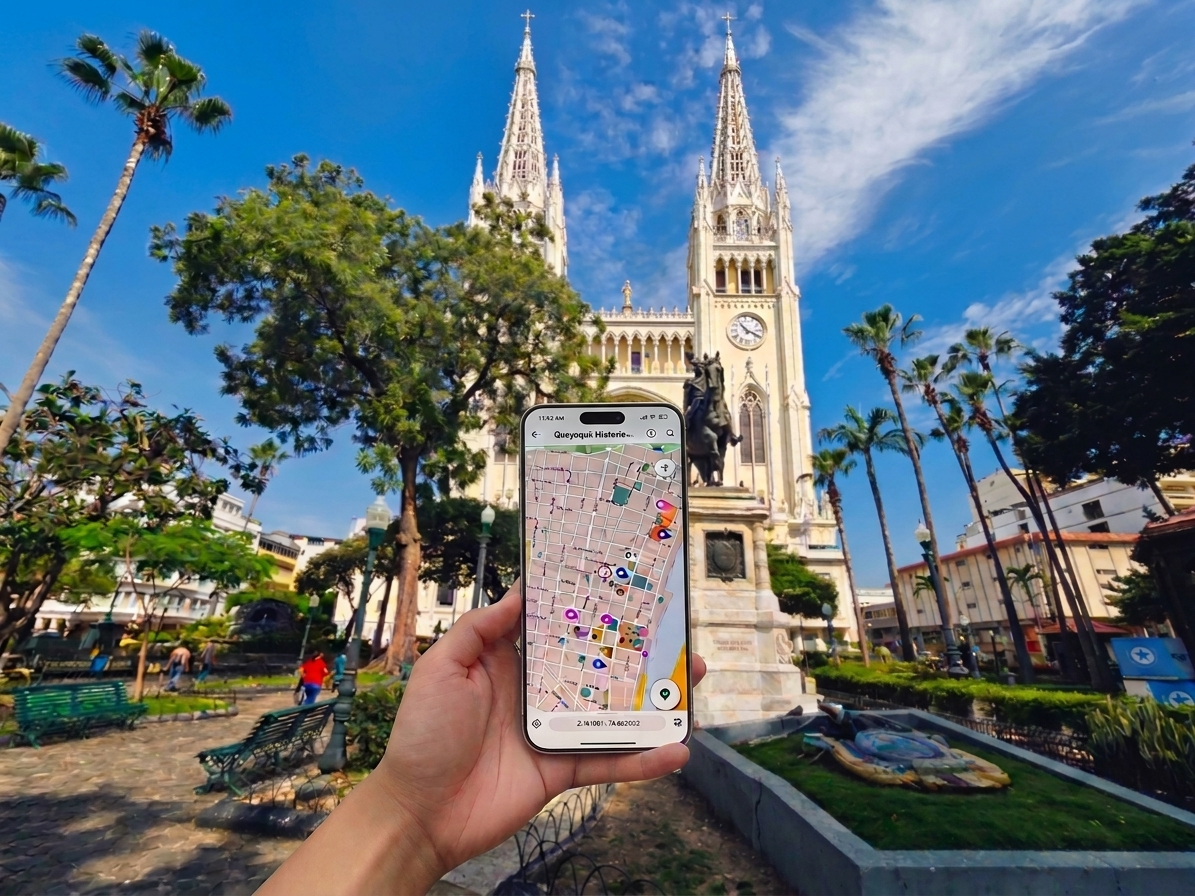
Seminario Park, also known as Iguana Park or Bolivar Park, is one of the most distinctive public spaces in downtown Guayaquil. Located directly in front of the Guayaquil Metropolitan Cathedral, this small park blends nature, architecture, history, and city life at one of the city’s most recognizable landmarks.

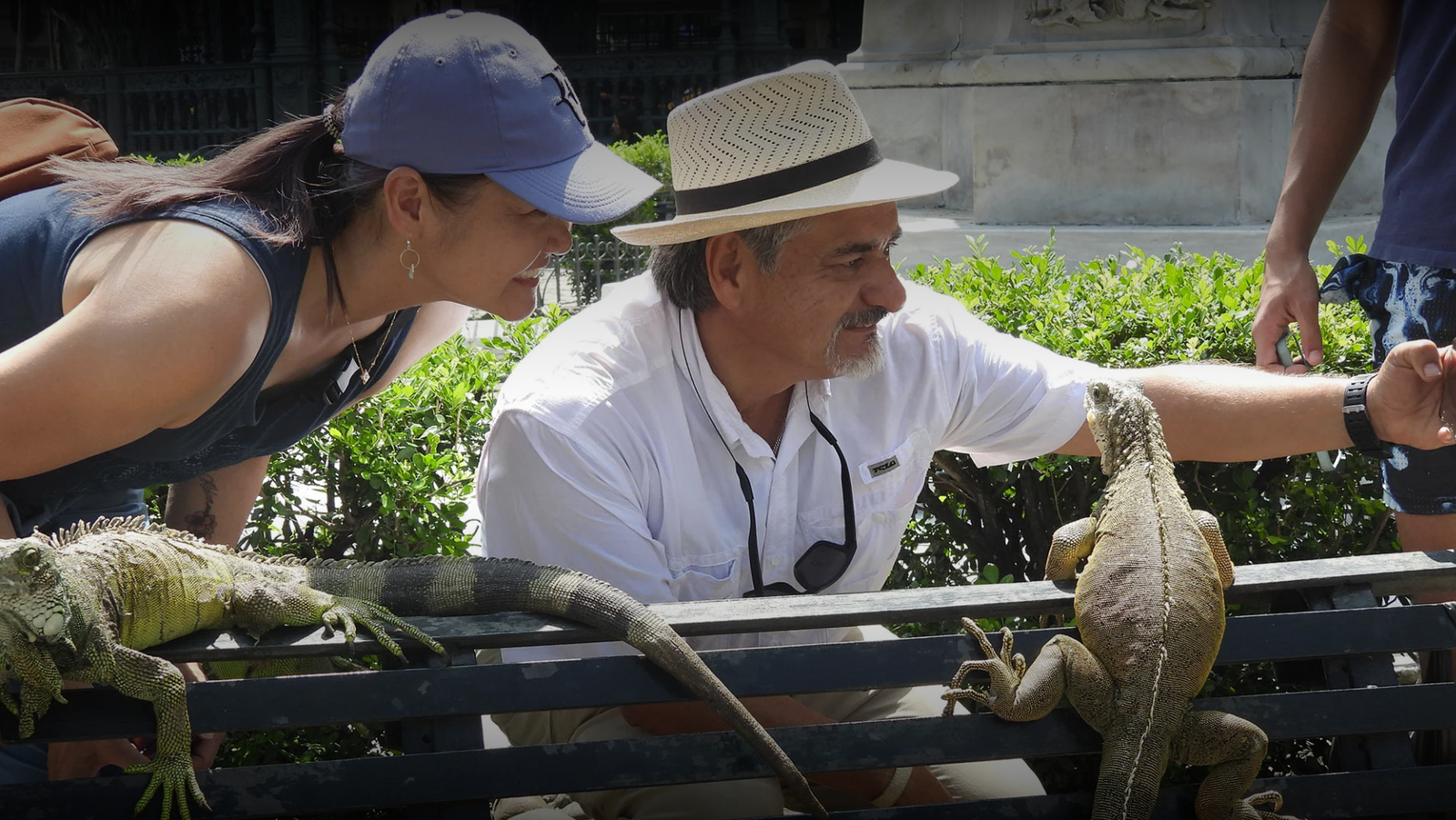
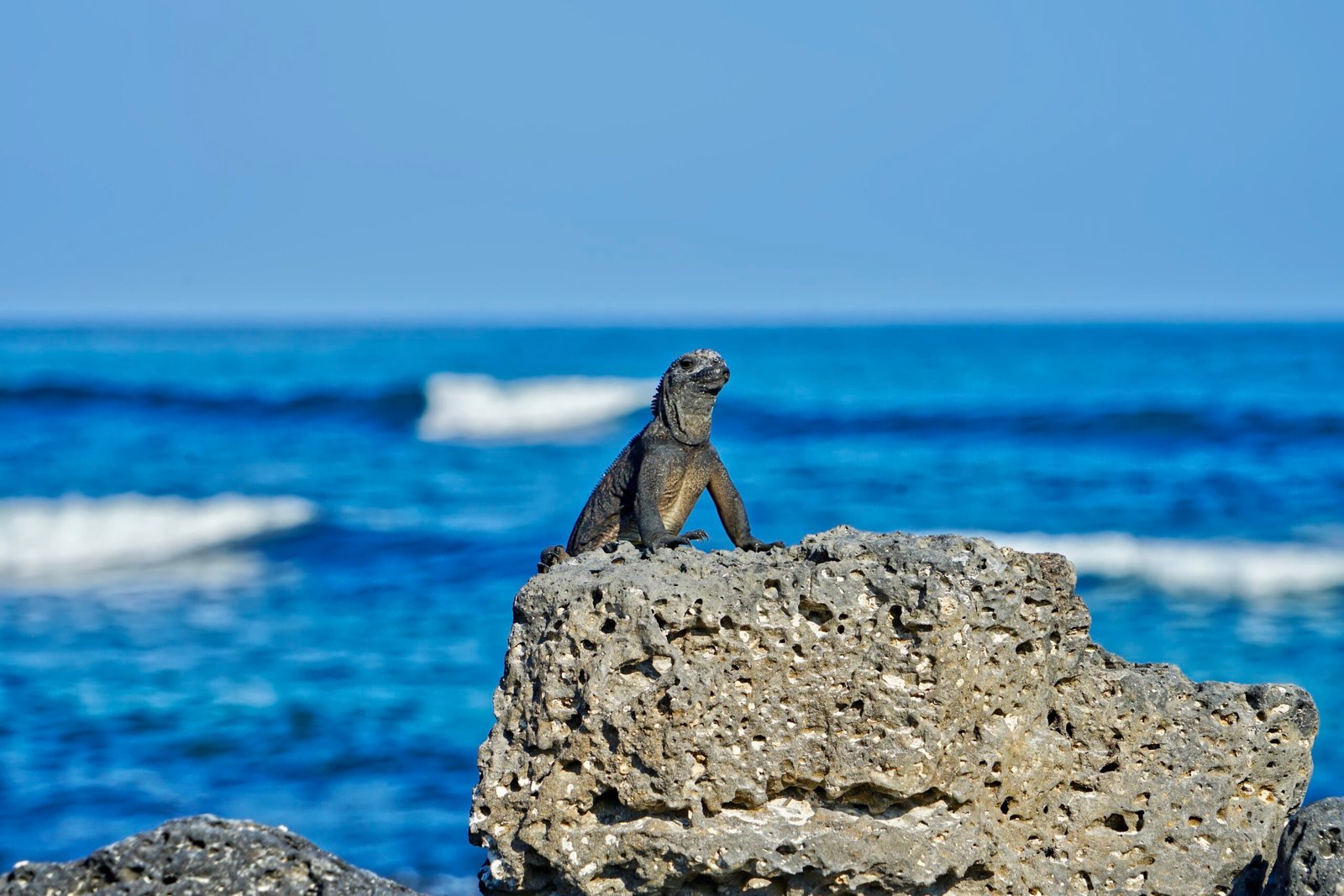
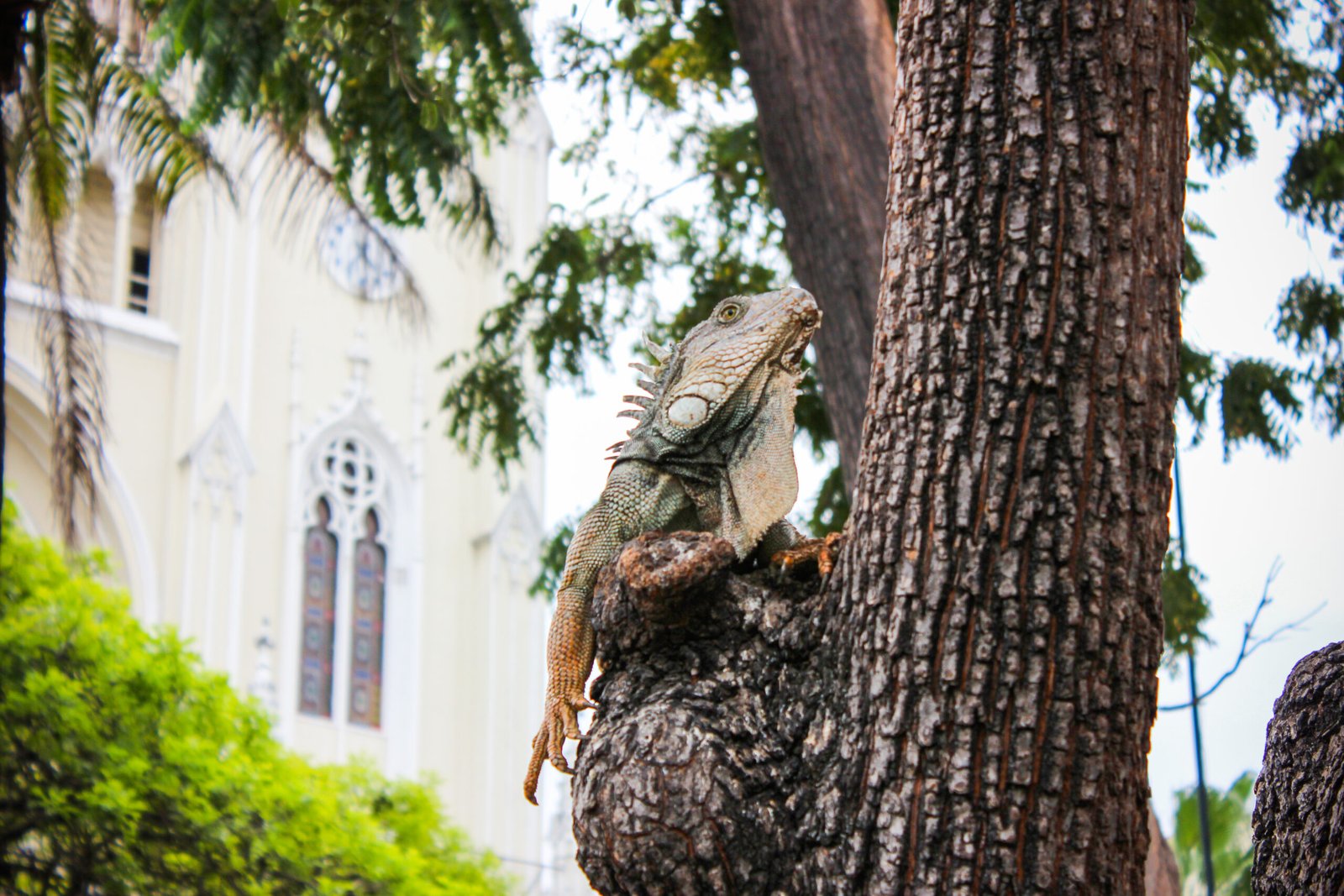
Iguana caught on camera in the Iguana Park or Seminario Park.

The park’s present-day fame largely stems from the numerous green iguanas that roam freely through its gardens and rest beneath the trees. These iguanas have become an inseparable part of the urban landscape. This unique coexistence of wildlife and city life makes the park one of the most interesting places for travelers looking to experience some of Guayaquil’s most distinctive sights. Even the renowned Australian naturalist and television personality Steve Irwin visited the iguana park to see the famous reptiles up close.

Jairo Cabrera Ecuador

Jairo Cabrera

Founder · Travel Experiences Curator

Discover Ecuador through a local perspective — places, routes, tours, and experiences with more context.

Wherever in Ecuador you're headed, I personally read every message.

Usually replies within a day

What are you looking to experience?

Share your travel dates, interests, or the experience you have in mind, and I'll help you find the right route or tour in Ecuador.

History of Seminario Park

During the colonial period, Spanish American cities were typically organized around a central public square. In Guayaquil, this space evolved with the city, undergoing several transformations and name changes.

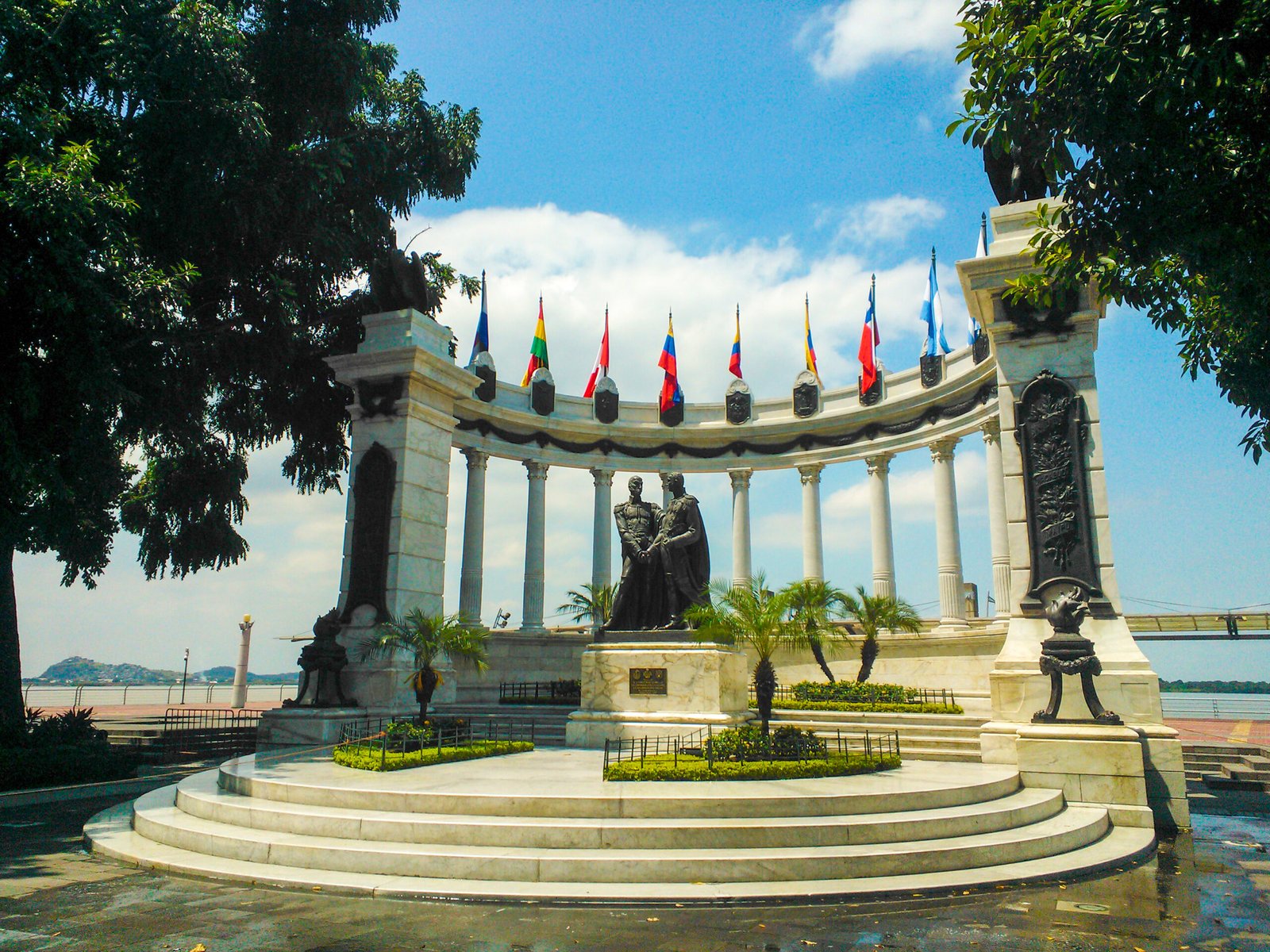
After Guayaquil’s independence in 1820, the square became known as Plaza de la Estrella. This was due to the installation of an eight-pointed star made of limestone from San Eduardo Hill. The space later became known as Plaza de Bolívar due to the monument dedicated to Simón Bolívar installed in its center. Over time, the plaza underwent further physical changes, transforming it into the urban park that visitors see today.

Eventually, it became known as Seminario Park in honor of Miguel Suarez Seminario and his family. During this period, the addition of features such as the surrounding railings, gazebo, lagoon, benches, and lamps helped transform the space into the urban park it is today.

Finally, it became known as Seminario Park in honor of Miguel Suárez Seminario and his family. During this period, features such as the surrounding railings, gazebo, lagoon, benches, and street lamps were added, giving the space a more modern appearance.

Today, walking through Seminario Park allows visitors to observe this evolution in a single place: the colonial plaza, the memory of independence, the monument to Bolívar, the cathedral’s religious architecture, and the famous iguanas that inhabit its gardens.

Trail Forth Journal — Smart Planner

How much time do you have in Guayaquil?

Select a time window on the clock to filter itineraries structured to match your actual availability.

Curated by Trail Forth Journal

Editor's Note: At Trail Forth Journal we classify experiences by the net recommended time needed, to avoid rushed itineraries. Each route accounts for transfer distances, optimal time on site, and safety margins for travelers on an airport layover, business trips, or extended vacations to the Coast or Galápagos.
Planning a stop in Guayaquil? Share this guide.
WhatsApp

What is the origin of the names Seminario Park, Iguana Park, and Bolívar Park?

Throughout its history, the park has been known by different names, each connected to a different stage of its evolution.

Parque Seminario Guayaquil, 1930-1940

The name “Iguana Park” is popular among visitors and residents of Guayaquil. It refers to the iguanas that roam freely through its gardens. The iguanas have become one of the park’s most distinctive features, as well as one of the images most closely associated with the city’s historic center.

Seminario Park is named after Miguel Suarez Seminario and his family, who were involved in the park’s transformation and beautification. They contributed the land and various ornamental and urban features, such as railings, a gazebo, a lagoon, benches, and street lamps. These additions helped shape the character of the park that visitors can experience today.

This succession of names establishes Seminario Park’s identity as a public space that preserves some of the most significant history and symbolism of Guayaquil.

Location of Seminario Park.

Seminario Park is located in the historic center of Guayaquil, directly in front of the Metropolitan Cathedral. It is bordered by the streets of Chile, 10 de Agosto, Chimborazo, and Clemente Ballén.

The location is particularly convenient because several of the city’s main monuments and historic sites are within walking distance. From here, visitors can easily reach the Guayaquil Metropolitan Cathedral and other important sites in downtown Guayaquil. This allows them to gain a better understanding of how the city developed around its former plazas and civic buildings.

The area occupied by the park today has roots dating back to the colonial period. In 1693, when the Cabildo moved to what became known as the Ciudad Nueva, this area gained importance in the urban organization of Guayaquil and became associated with the former Plaza de Armas.

Location map: Iguana Park | Seminario Park

Parque Seminario (Iguana Park)

Walk among friendly land iguanas roaming freely under the shade of century-old trees right in front of the Metropolitan Cathedral. Trace key sights on the map below.

Guayaquil Tourist Map
Traveler using Avenza Maps in Guayaquil
2026 Edition ·

Guayaquil Tourist Map

Trail Forth Journal
Avenza Maps
Free Download

Carry Guayaquil with you, wherever the road leads.

A complimentary companion for the journey — fully navigable offline, with GPS to guide you through historic downtown landmarks and vibrant plazas, powered by Avenza Maps.

GPS, Even Offline No Signal Required A Map Worth Keeping

Explore beyond Iguana Park and discover the best of Guayaquil

Known locally for its resident iguanas, Seminario Park is a quick but memorable stop right next to the Cathedral in the historic center. Our Guayaquil City Tour includes this park as part of a guided walk through downtown’s main sights. For more ways to experience downtown Guayaquil, see our complete list of Guayaquil tours.

Iguana Park | Seminario Park 360°

360° Immersion

The Seminario Park is just the beginning. Discover everything Guayaquil has in store for you!

Premium Experiences

Guayaquil Tours & Excursions

Book private tours and curated experiences with certified local guides. Premium quality in every journey.


Planning

Tourist Attractions & 2026 Map

Explore the 20 must-see sites of the "Pearl of the Pacific" with our free interactive map.

History of the Seminario or Iguana Park.

During the colonial period in America, most of the cities in the region had a Plaza de Armas (Arms Square). Later it was called: Plaza de La Estrella (Start Square) due to the placement of an eight-pointed star in limestone rock that was brought from the San Eduardo hill, after the independence of 1820.

The plaza was later renamed Plaza de Bolívar, and a monument honoring the Liberator was erected in its center. It is currently known as Parque Seminario in memory of Miguel Suárez Seminario and his family. They built and donated the park’s ornaments, perimeter railings, gazebo, pond, benches, and streetlights to the municipality.

The area around Parque Seminario is a great place to stay in the city. It’s close to many popular tourist attractions. It’s also known for being a safe, quiet neighborhood. Check out accommodations in this area below: Booking.com and Expedia.

Share

The Local Circuit

The Path Ahead

error: Content is protected !!